Venue: OAKA, Athens
Date: May 9, 2026
Tour: M72 World Tour
Review and photography: Dimitris Fatisis
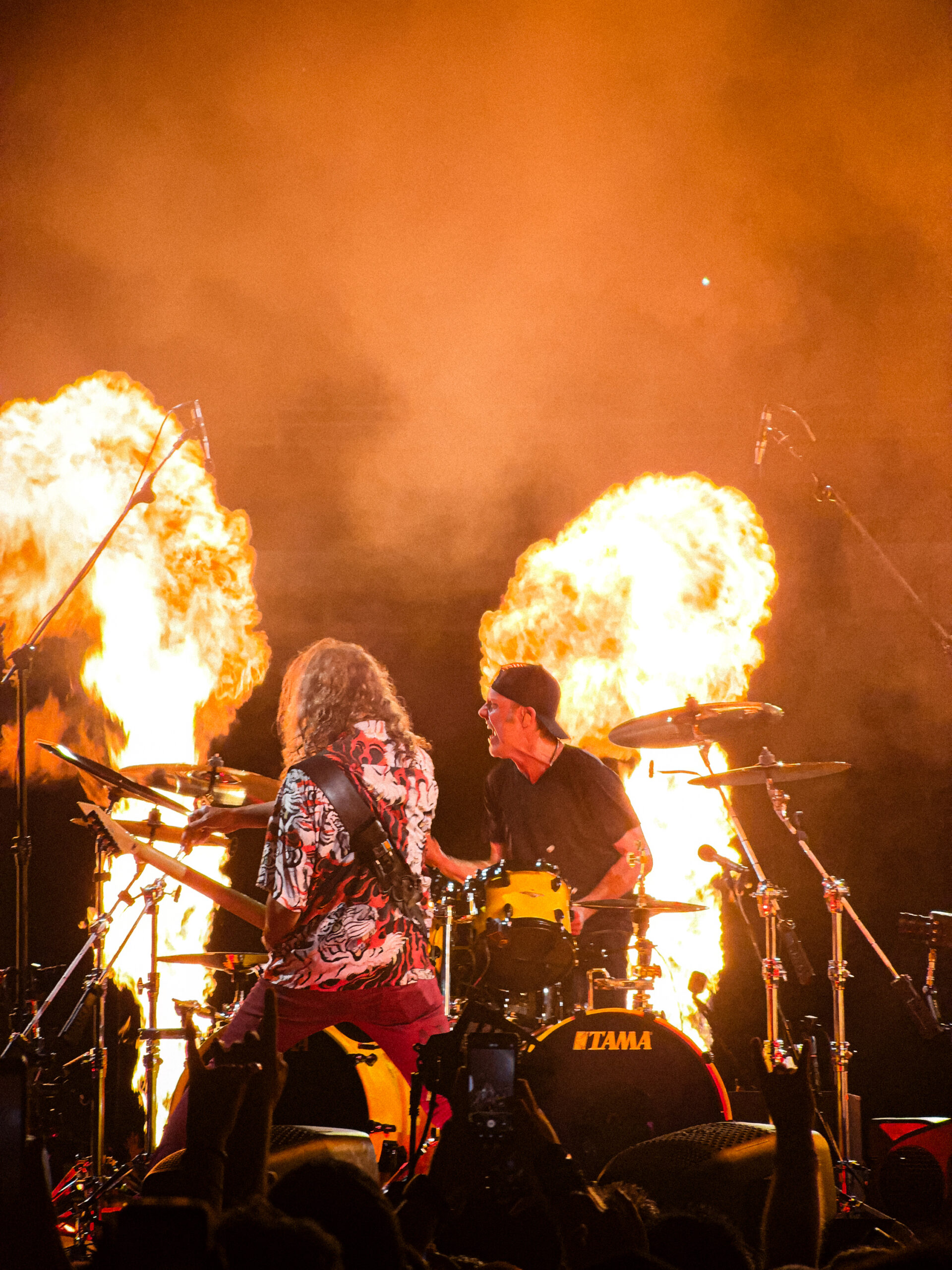
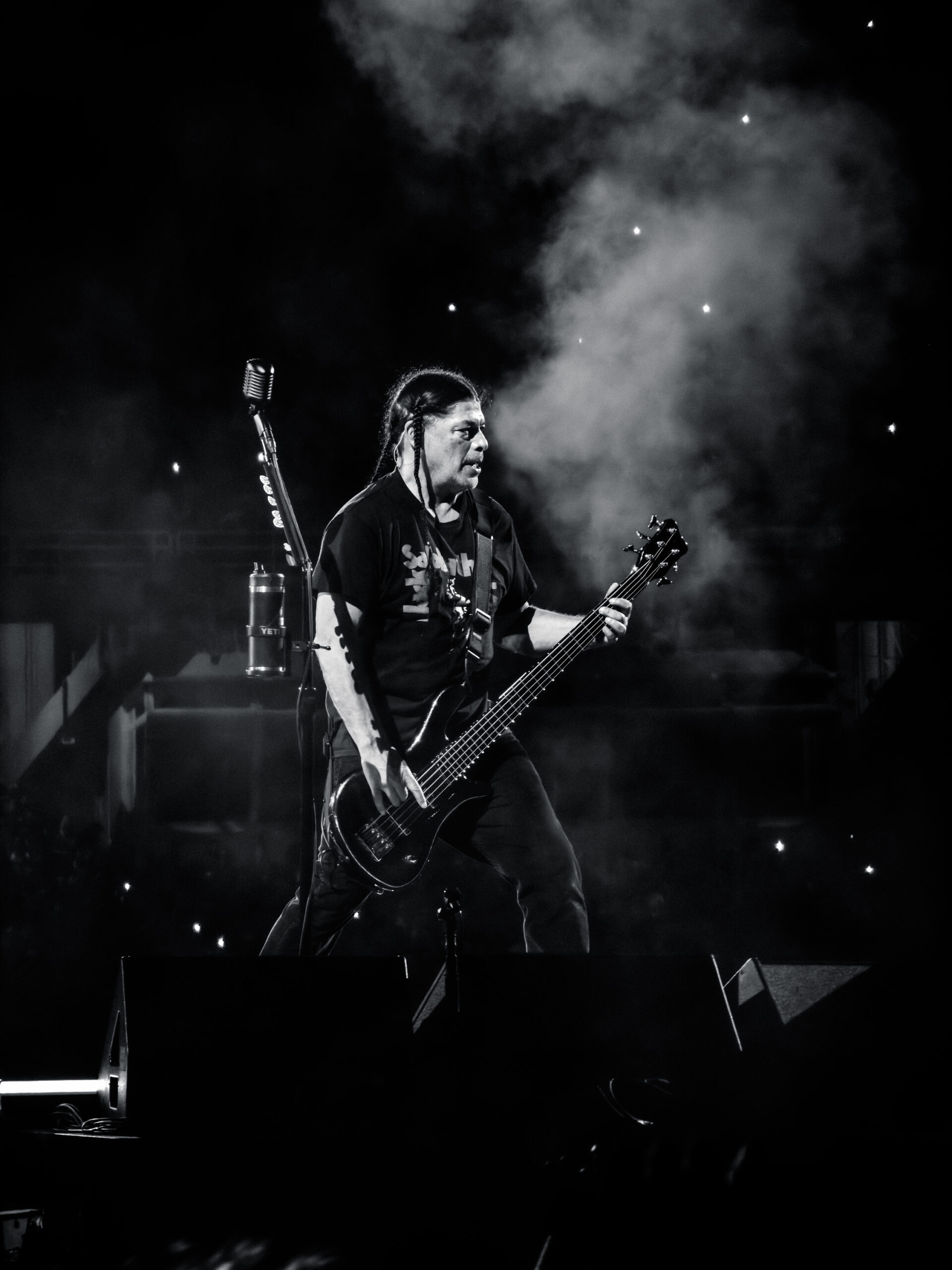
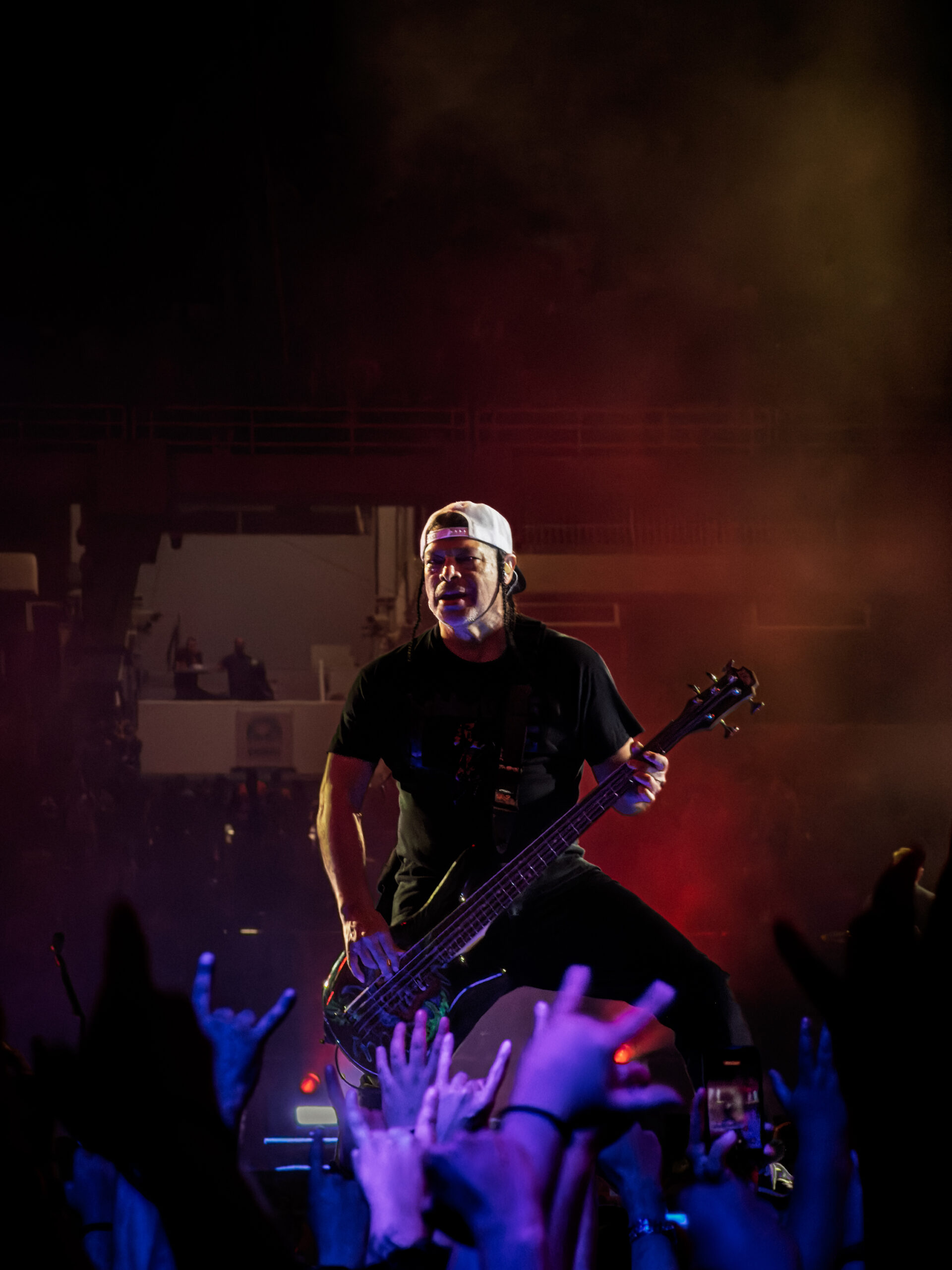
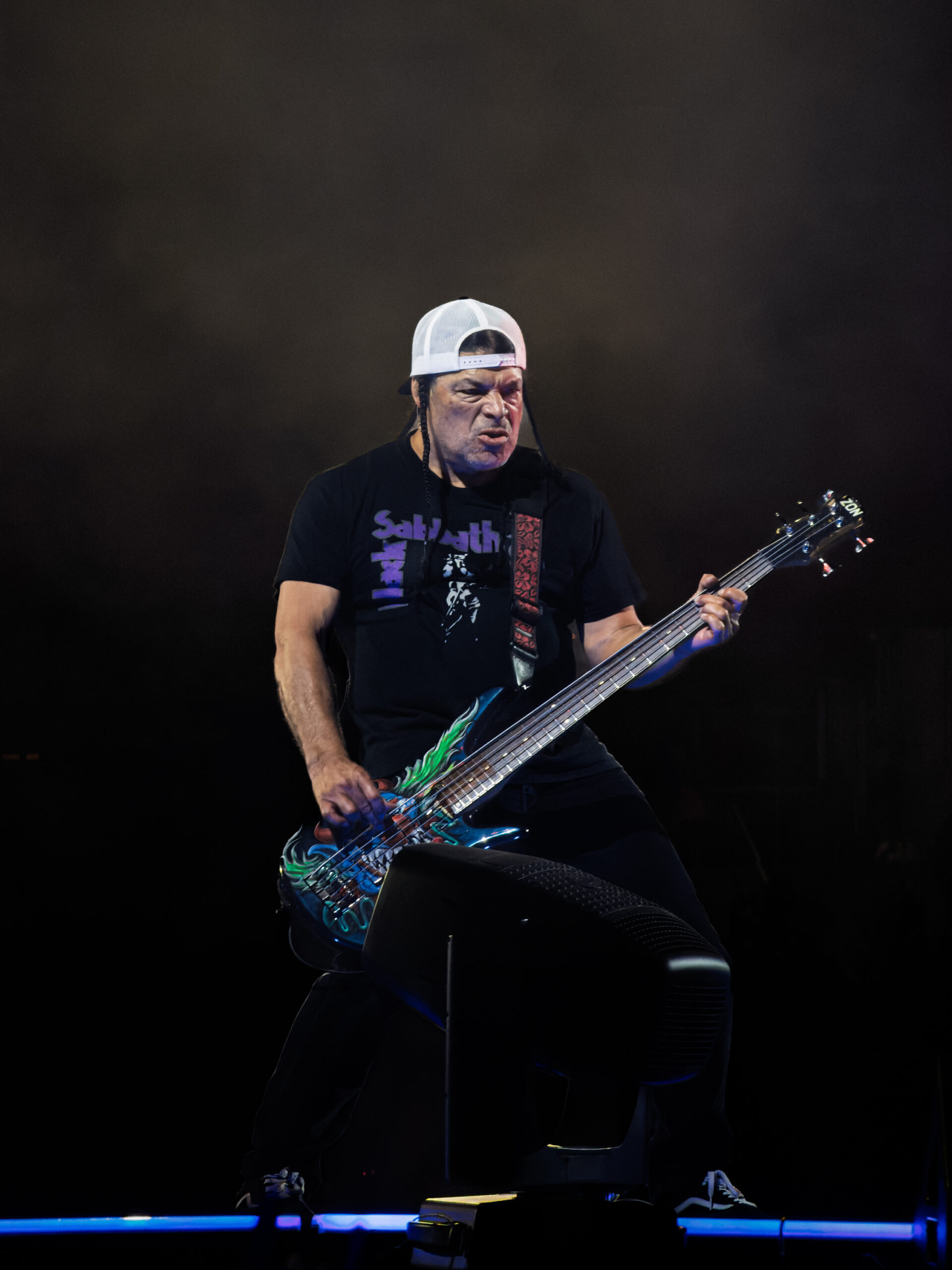
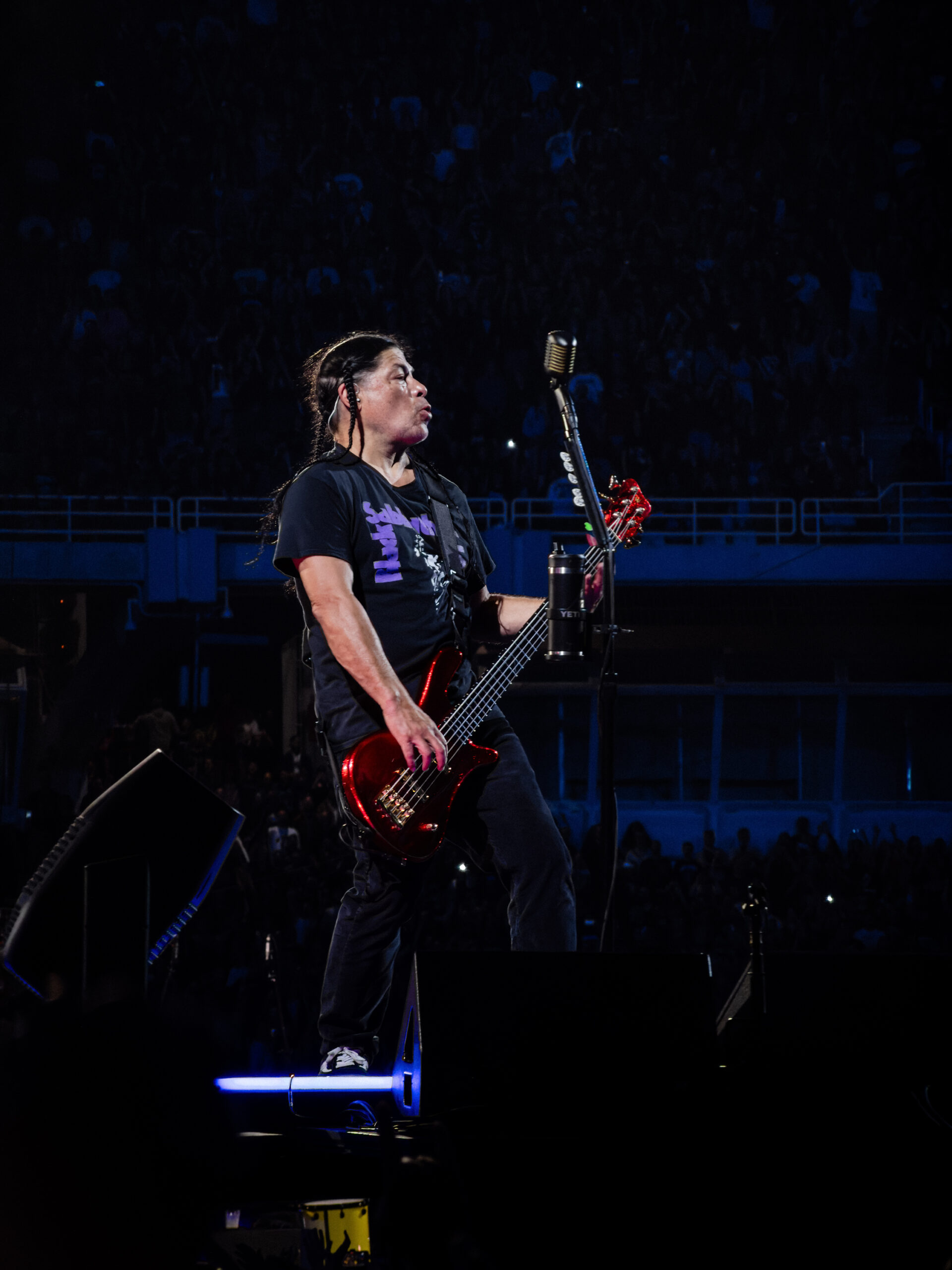
Metallica returned to Athens on May 9, 2026, bringing their massive M72 World Tour production to OAKA Stadium for a night that celebrated more than four decades of heavy metal history. With an iconic circular stage setup, a career-spanning setlist and the unmistakable energy of one of the most important names in heavy metal history, the evening transformed the stadium into a gathering place for generations of Metallica fans.
Opening with the explosive “Creeping Death”, Metallica immediately set the tone for a performance built around the many eras of their legendary career. From the raw aggression of their early thrash metal years to the more melodic and expansive moments that followed, the setlist moved effortlessly through decades of songs that have defined generations of heavy metal fans.
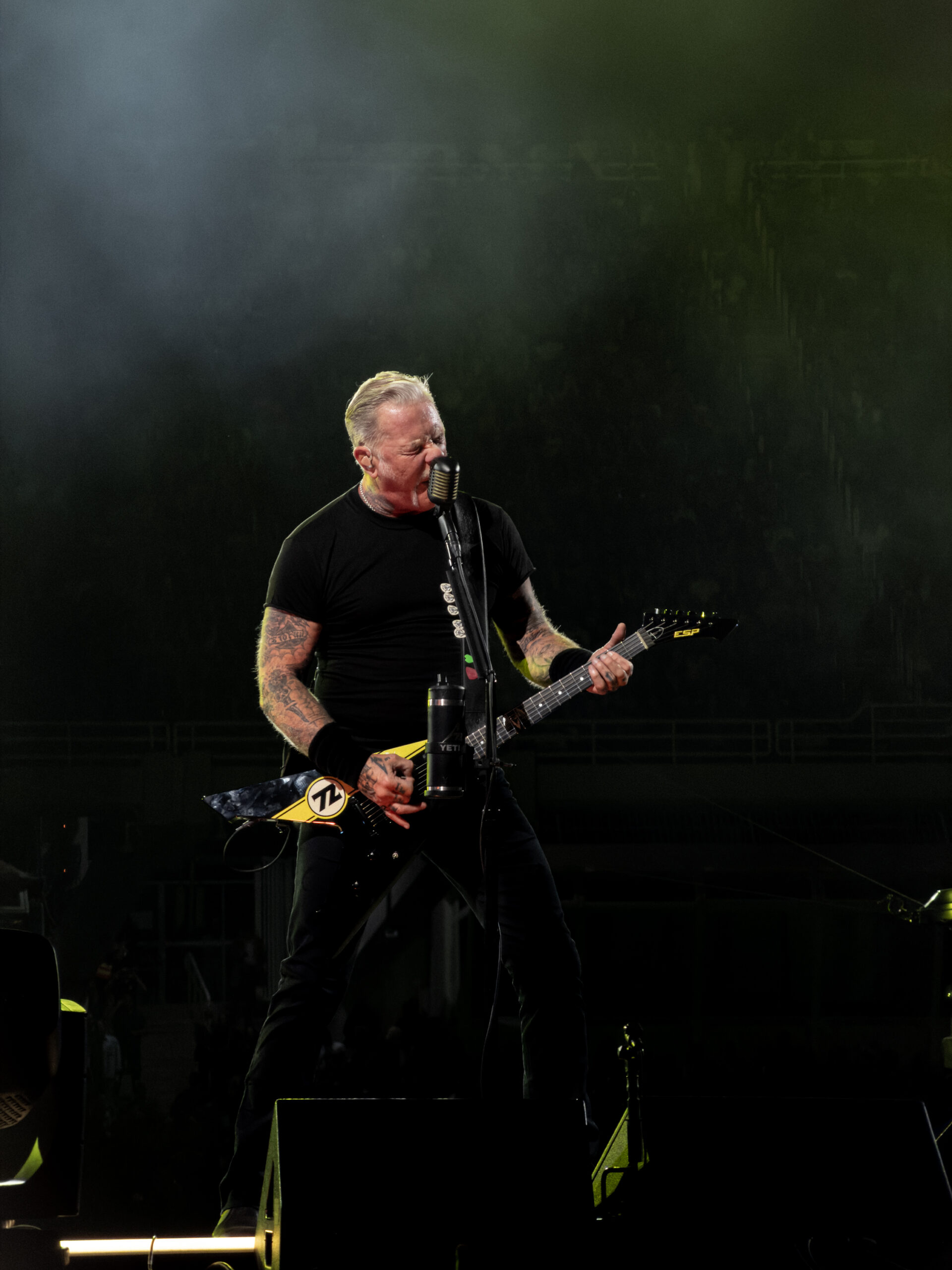
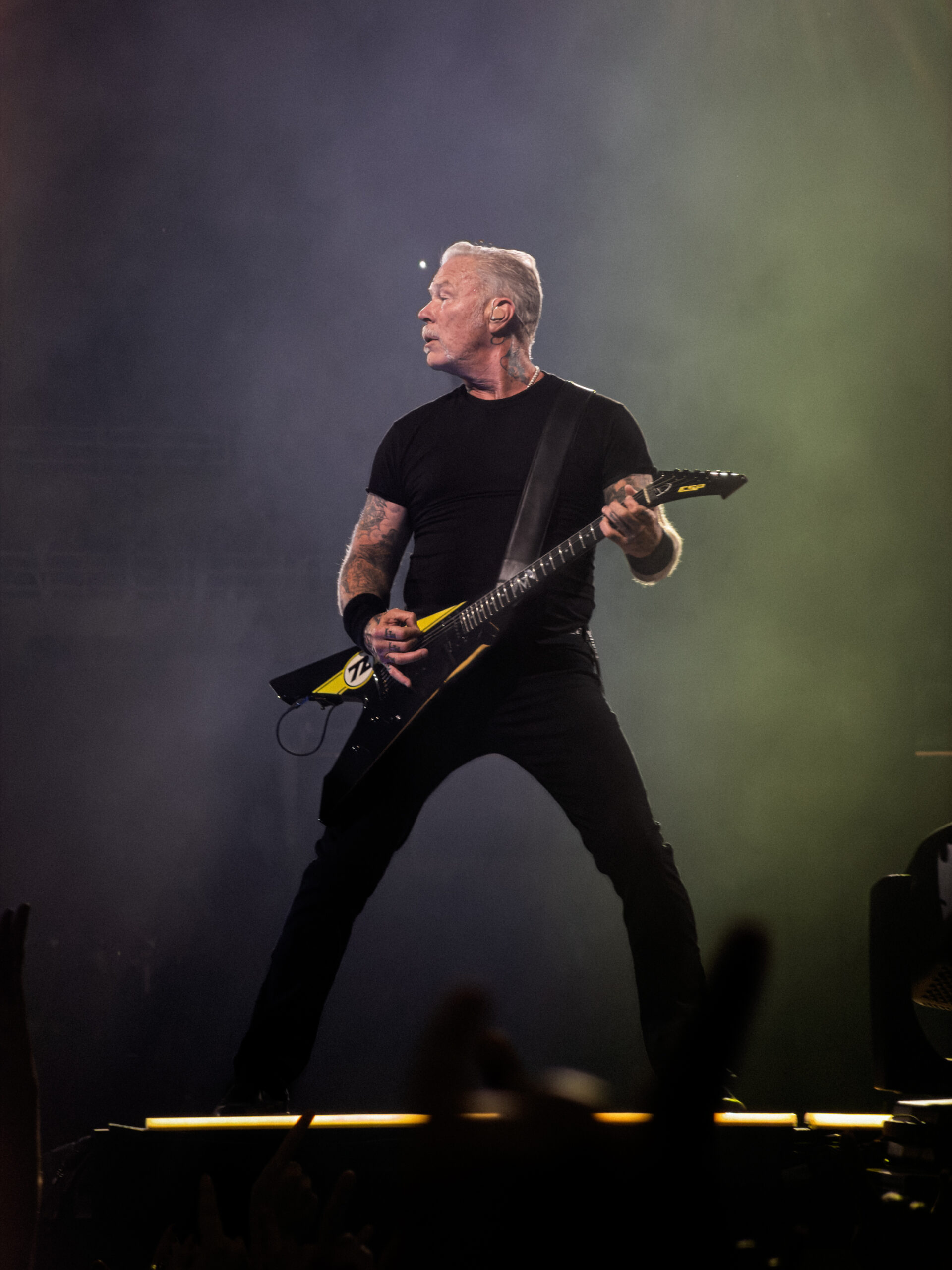
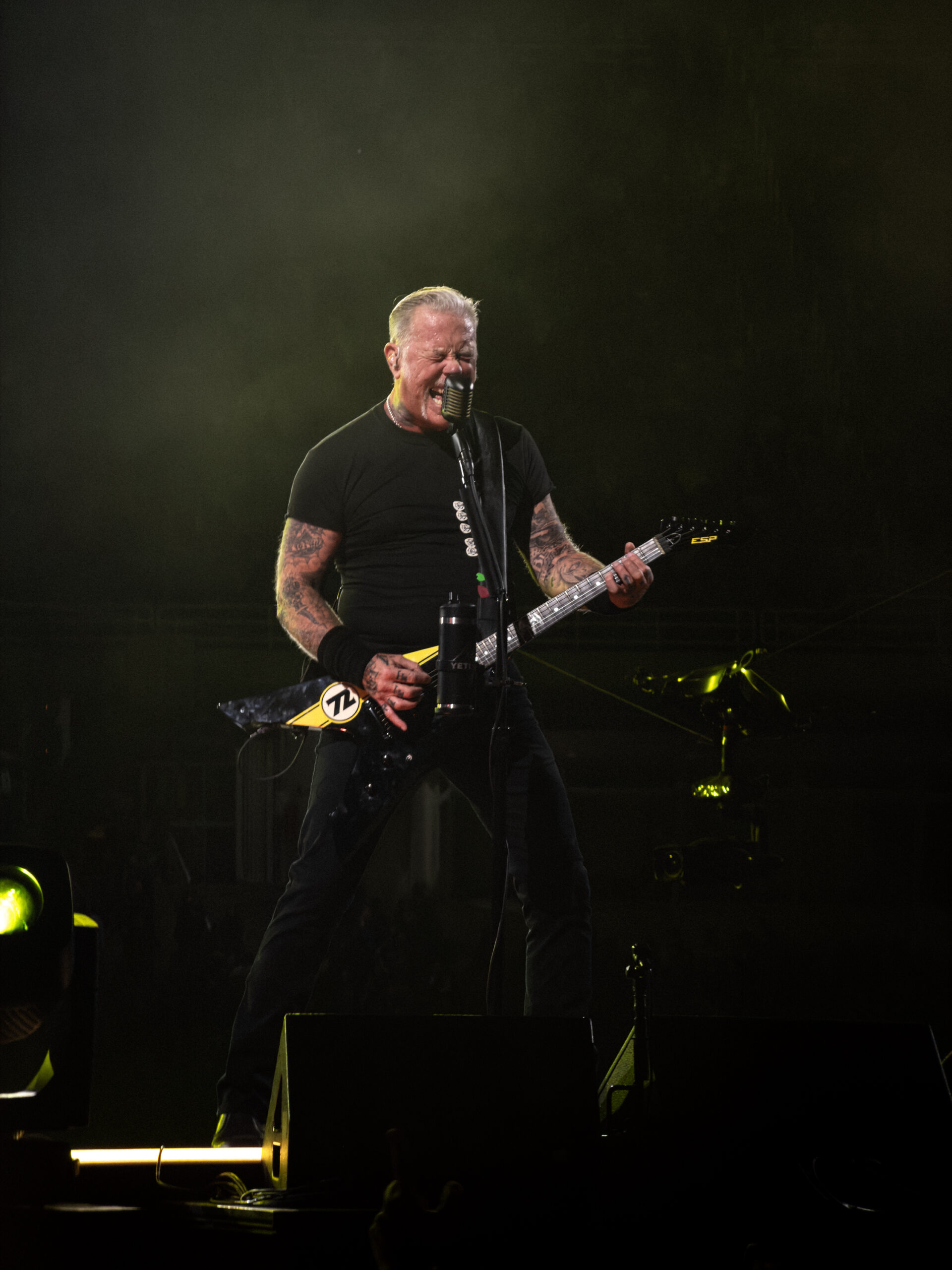
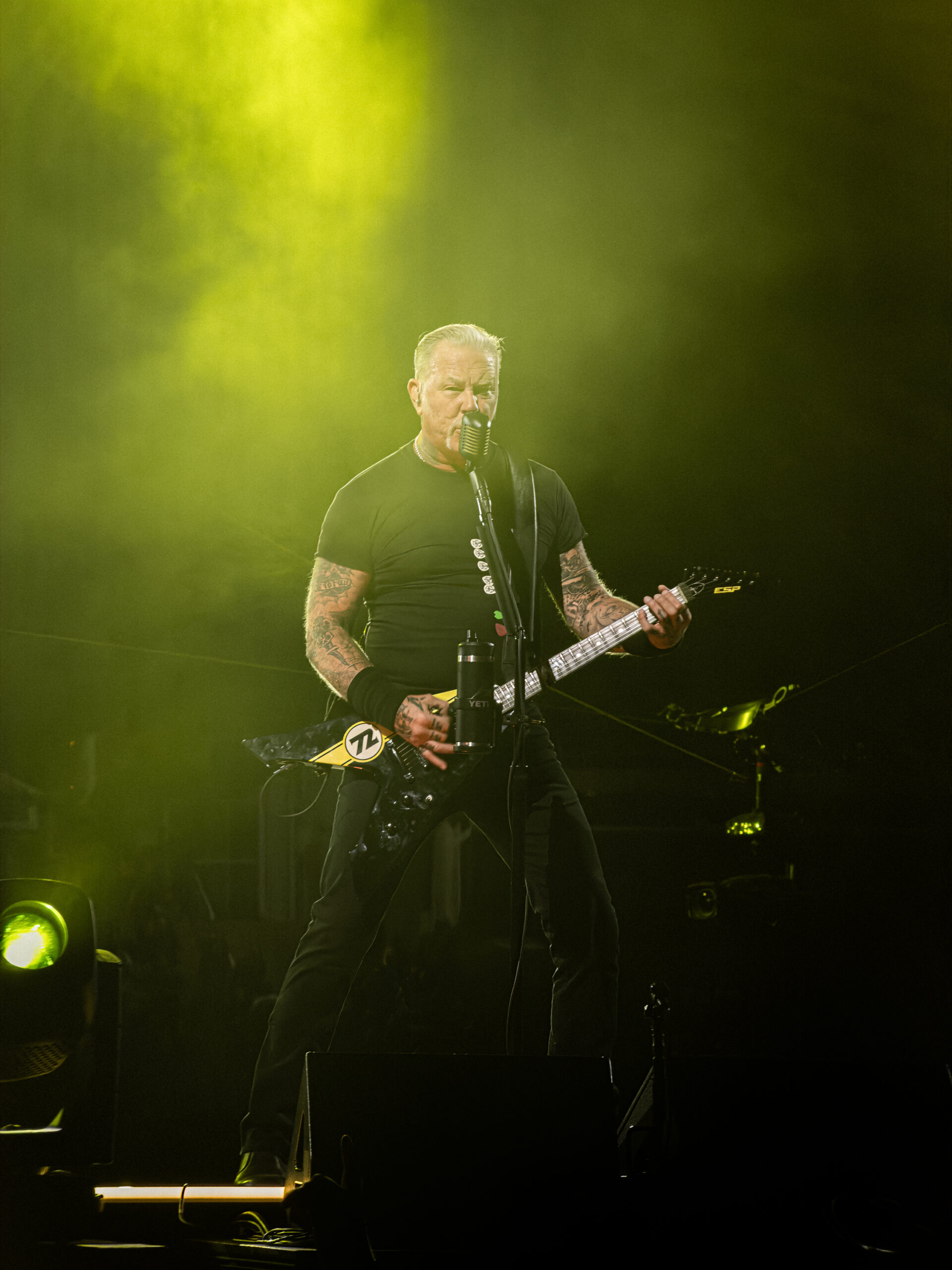
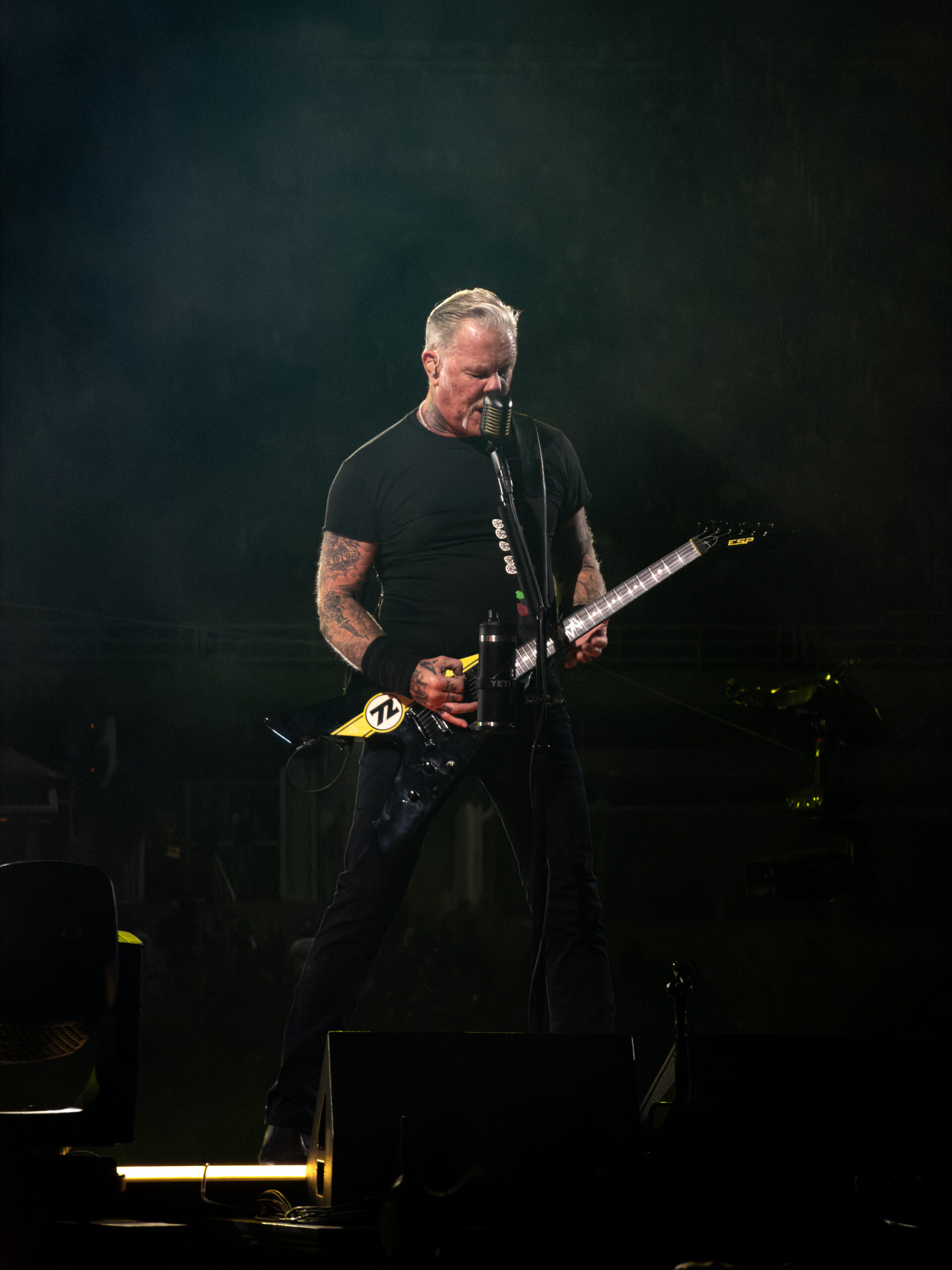
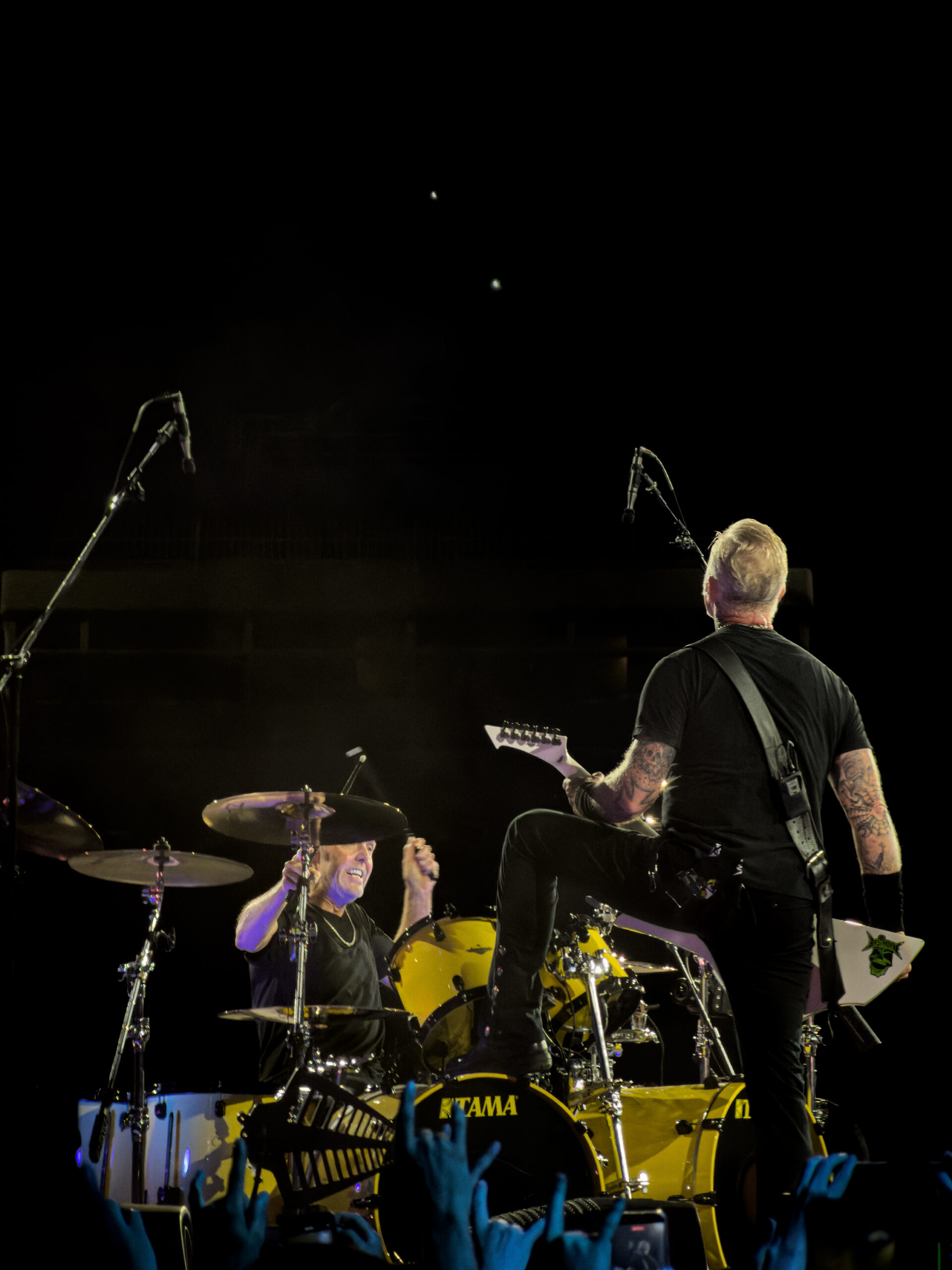
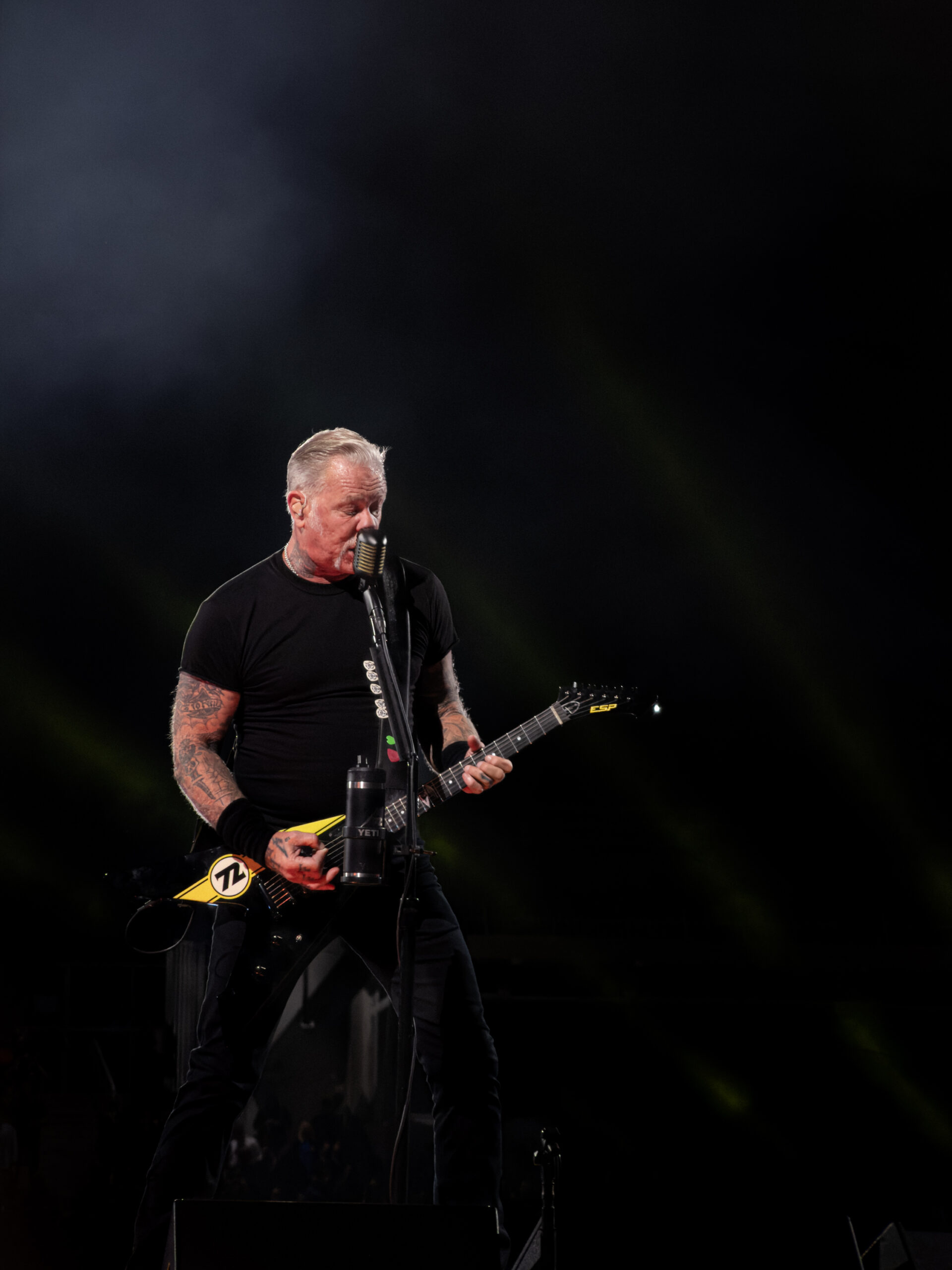
From the very first moments, James Hetfield’s commanding presence was impossible to ignore. Standing at the center of the massive stage with his signature ESP Explorer in hand, he embodied the sound and attitude that have defined Metallica for more than four decades. His unmistakable voice, powerful rhythm guitar and raw stage energy remain at the heart of the band’s identity.
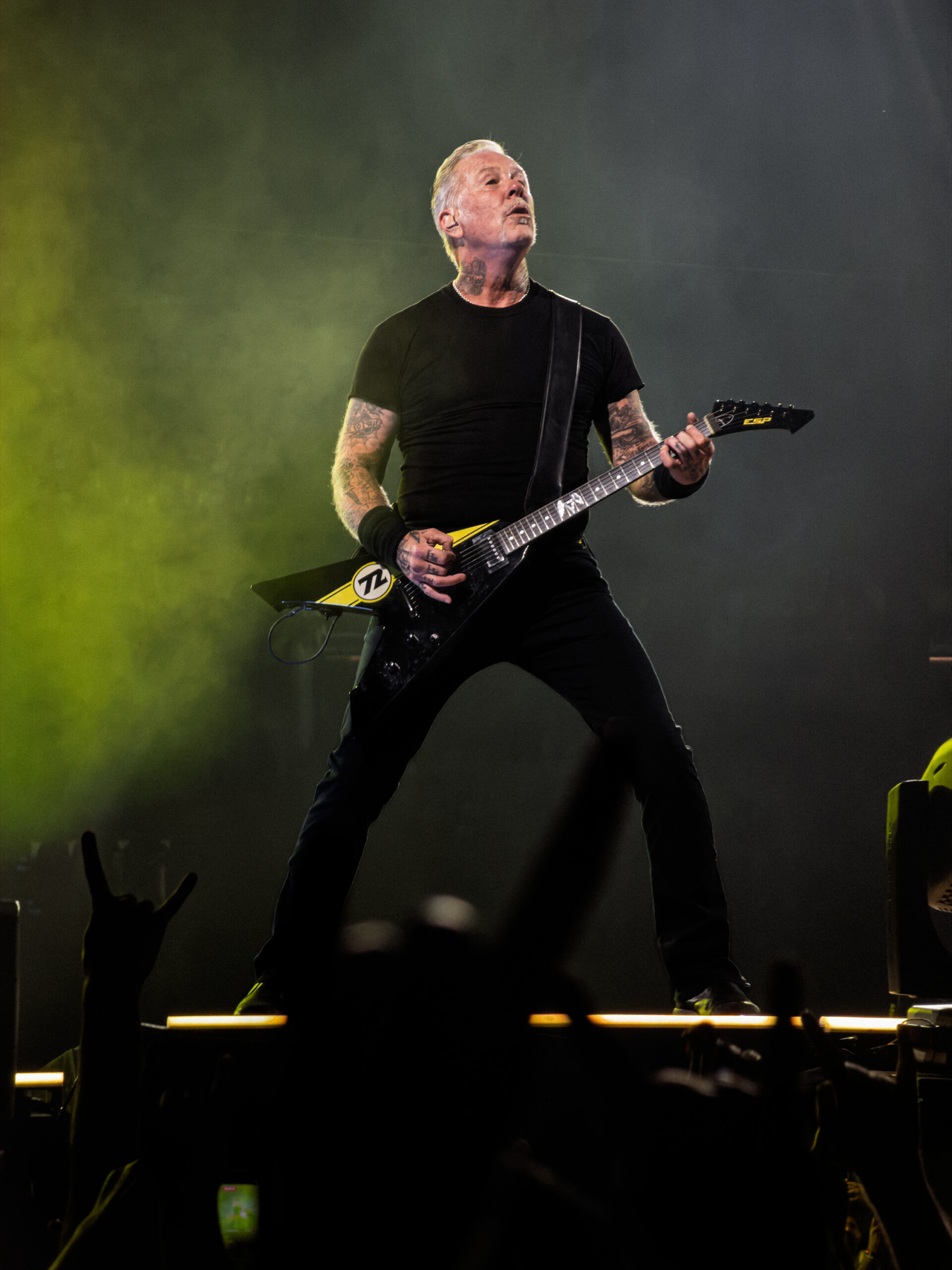
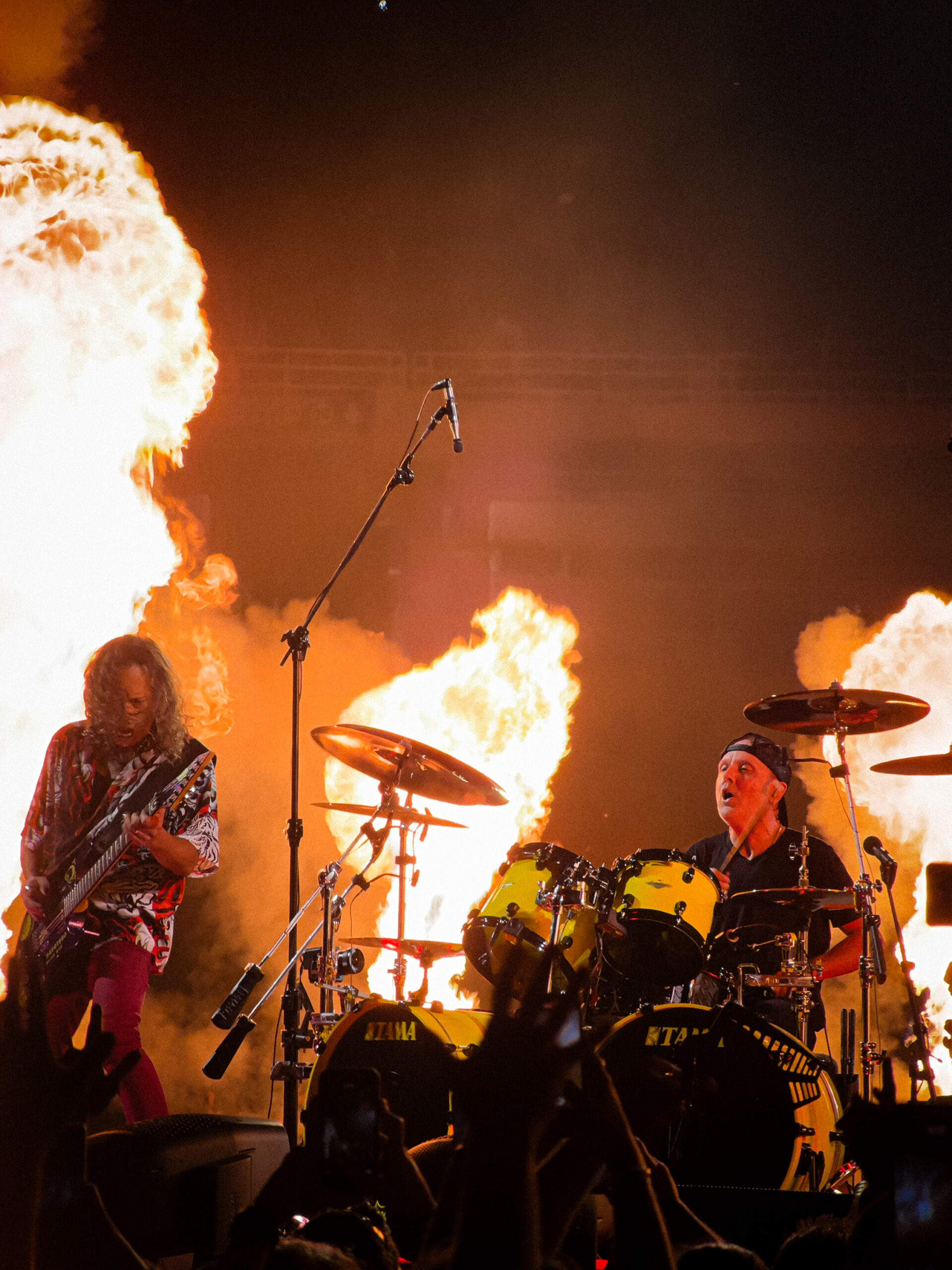
The M72 World Tour’s in-the-round configuration placed the band at the centre of the stadium, performing on a circular stage surrounding the Snake Pit. Eight enormous cylindrical production towers rose around the setup, carrying the show’s video screens, lighting and PA system. Instead of a conventional stage at one end of the venue, Metallica constantly moved around the circle, performing to different sections of the stadium throughout the night.
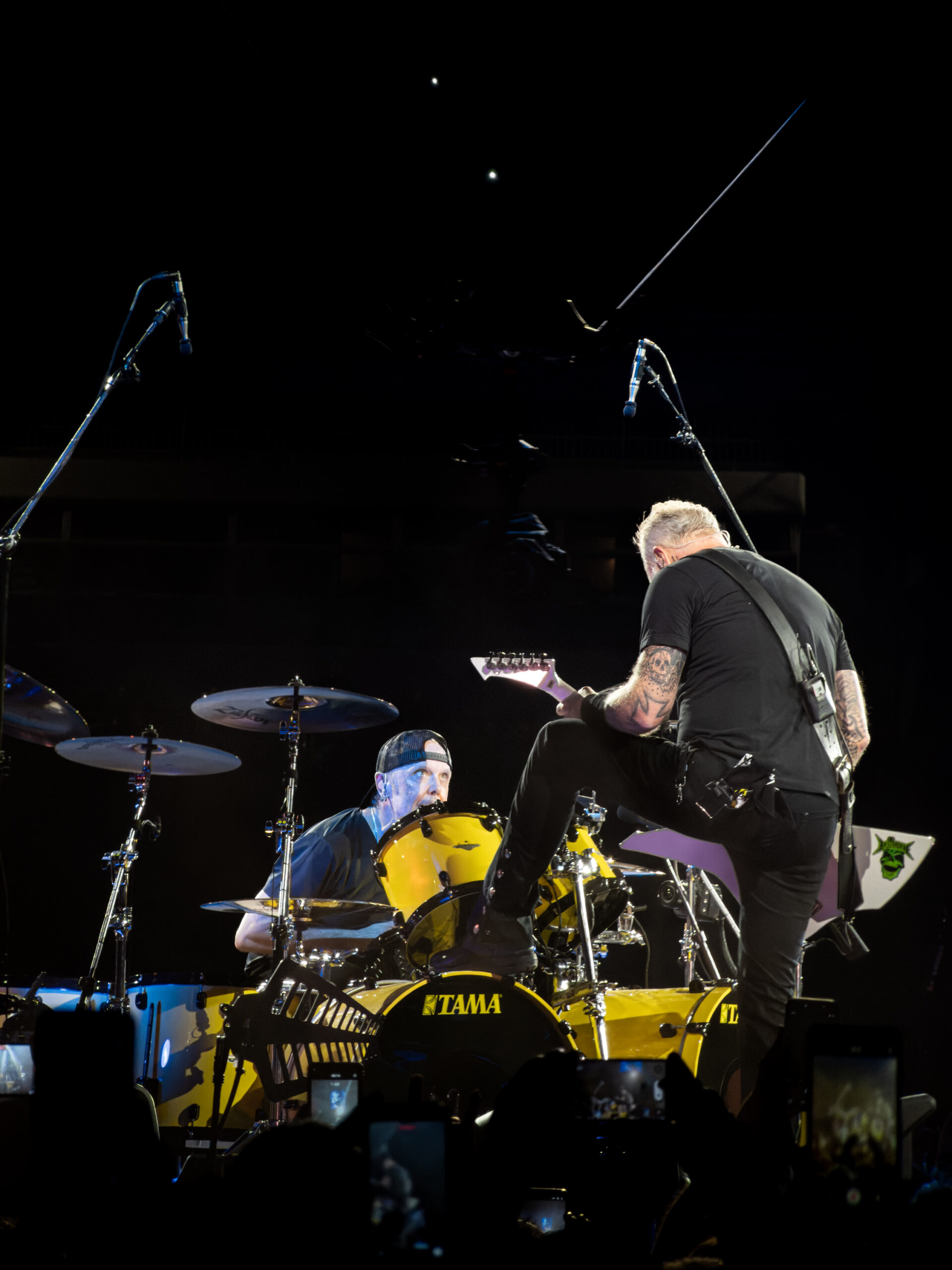
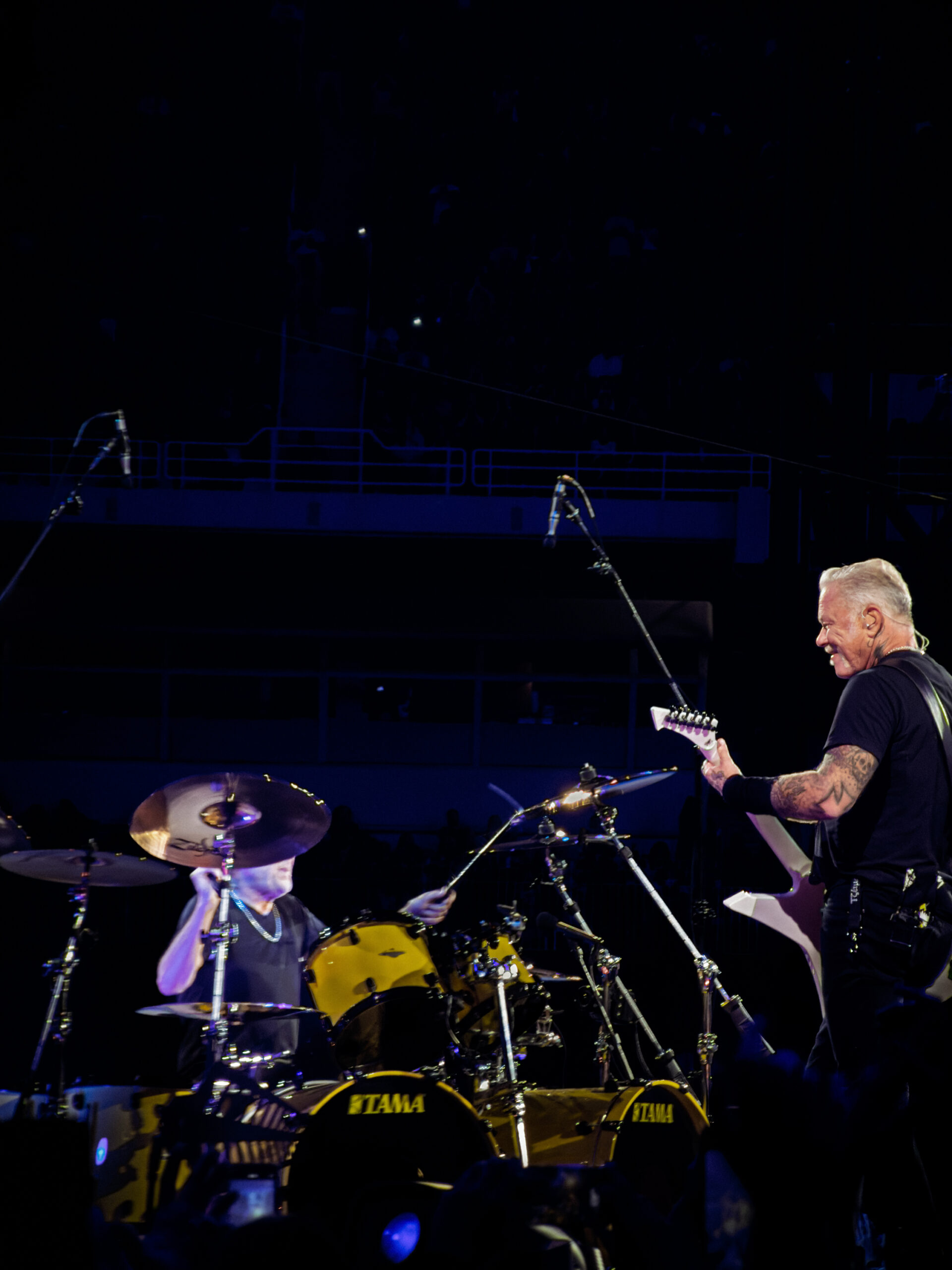
From a position roughly ten metres from the stage, beside one of those massive production towers, the sheer density of the crowd was just as striking as the scale of the production itself. OAKA felt completely packed, from the floor to the stands, with thousands of voices reacting to every familiar intro and every movement of the band.
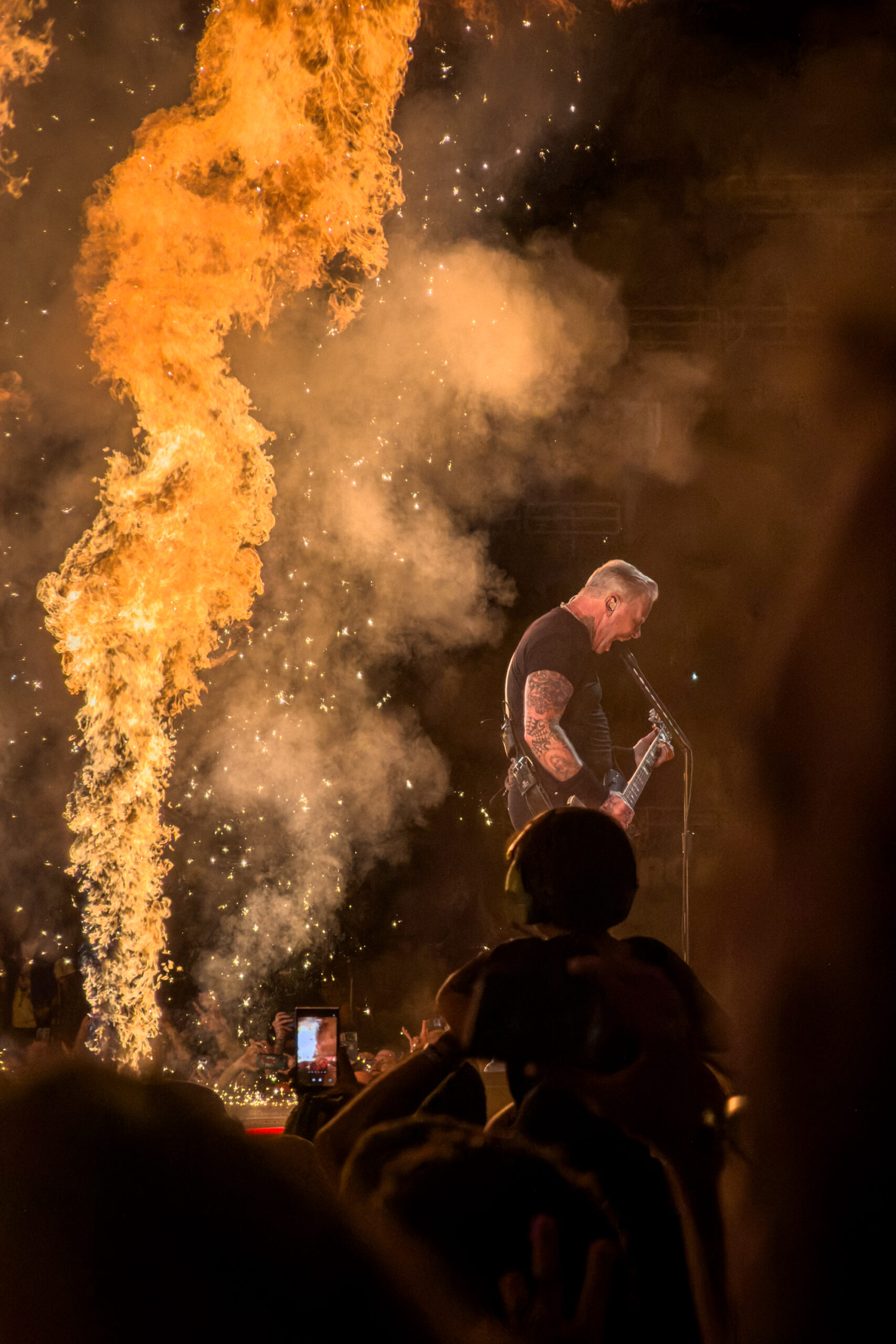
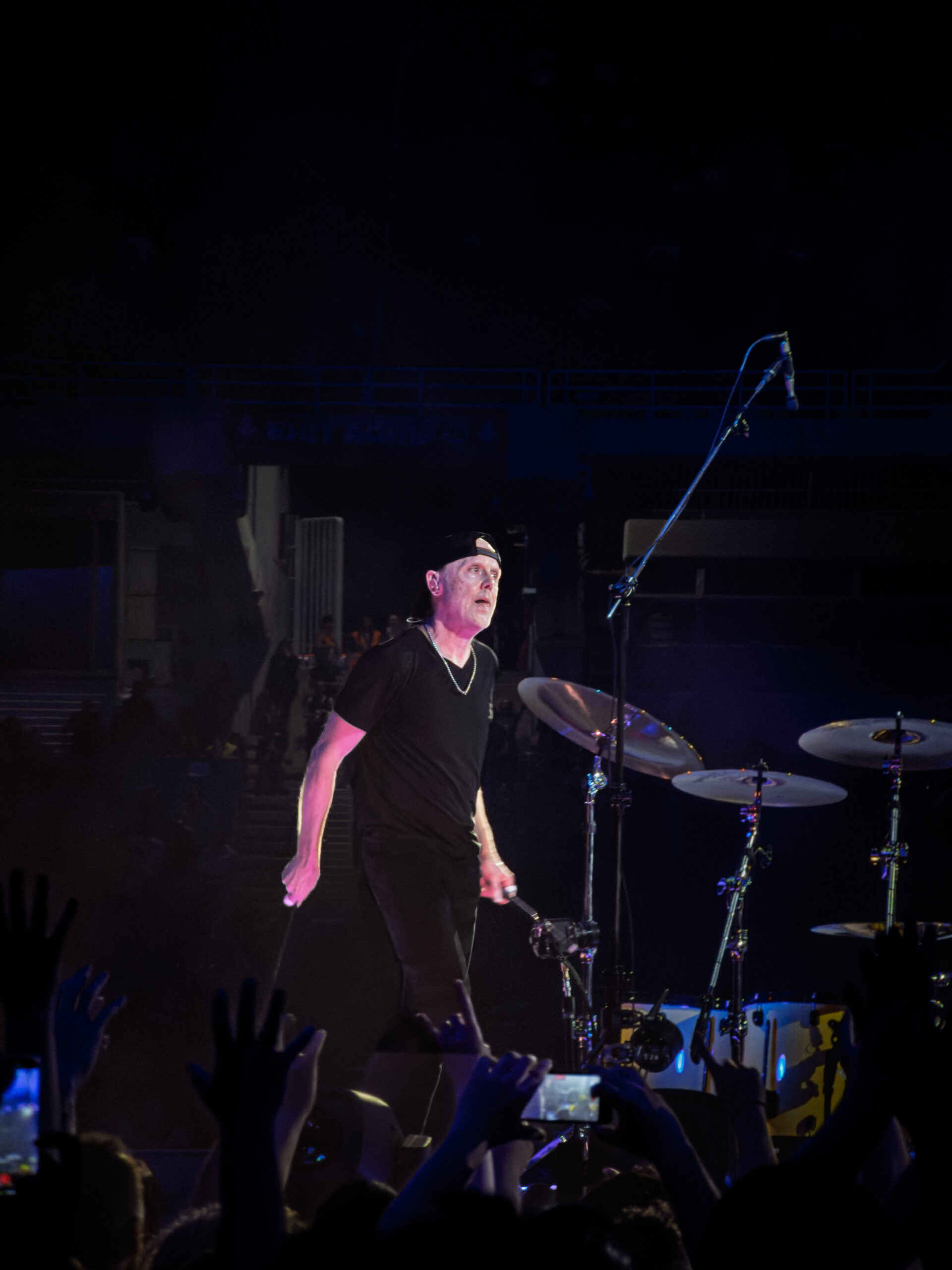
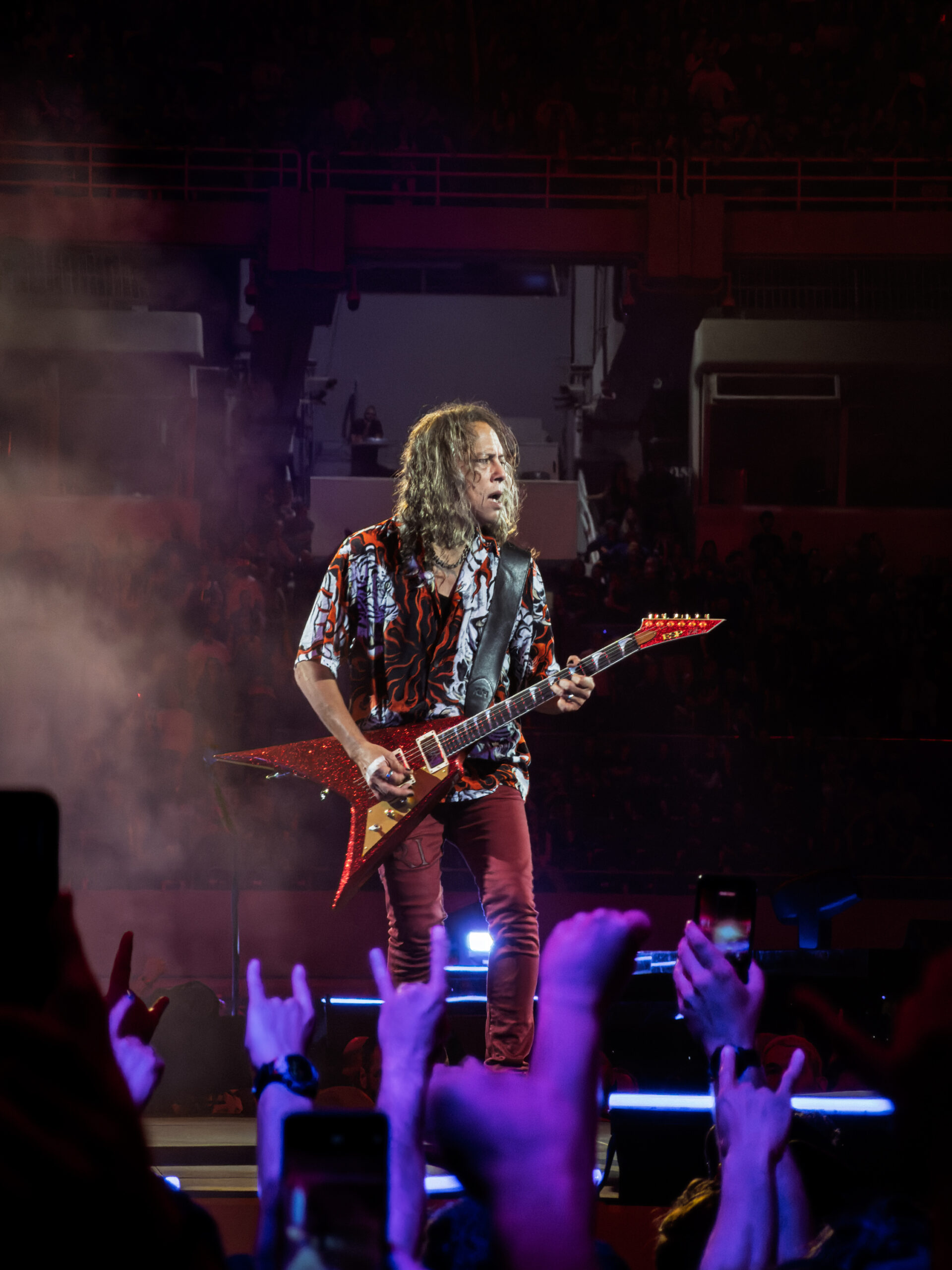
The nature of the circular stage created an unusual perspective. At certain moments, the members of Metallica were only metres away; minutes later, they could be performing from the opposite side of the stage. Yet even when the band moved farther away, the atmosphere never seemed limited to whichever section they were facing. The sound, screens and reaction of the audience made the entire stadium feel involved.
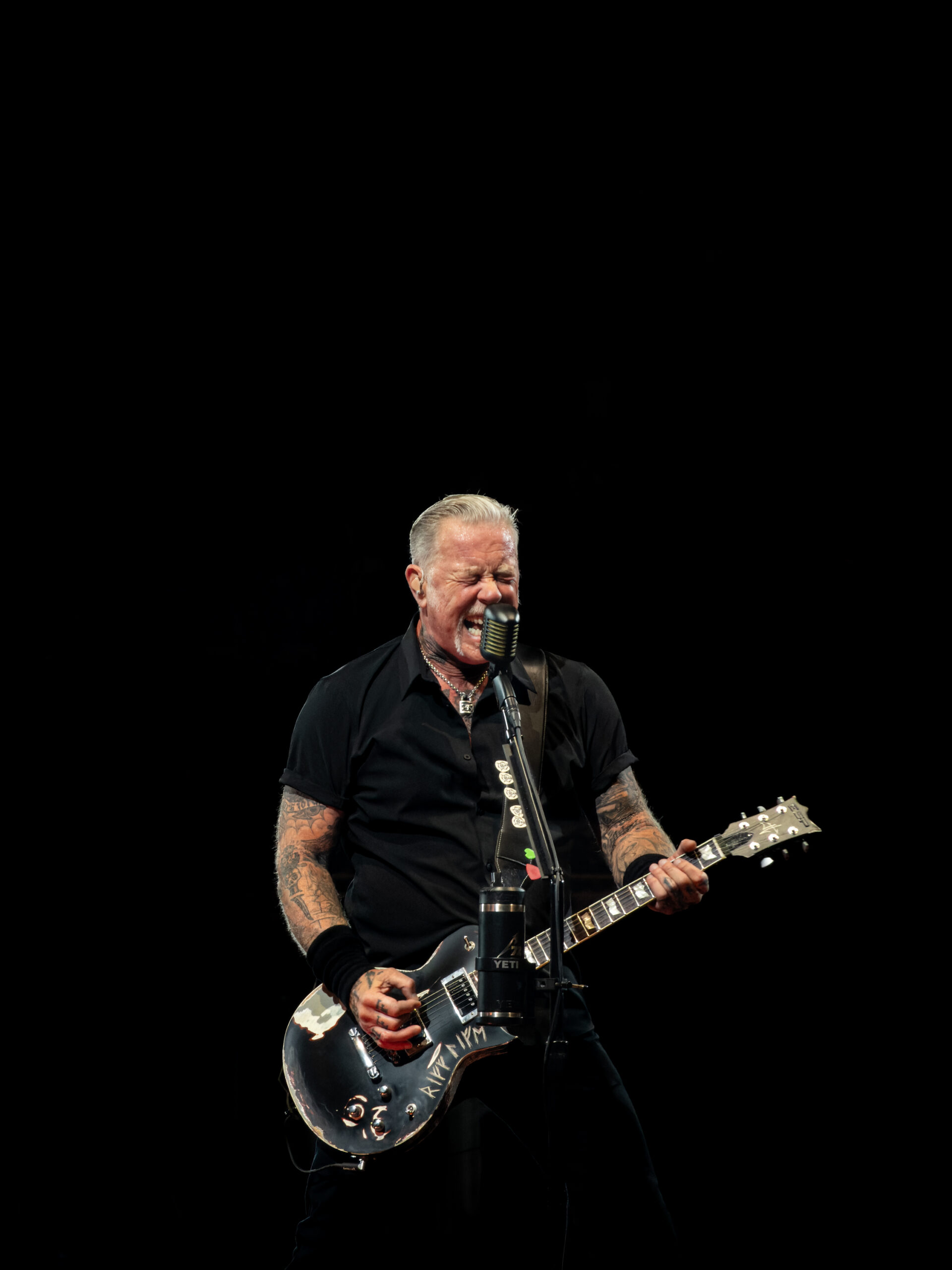
“For Whom the Bell Tolls” followed the opening assault, before “Moth Into Flame”, “King Nothing” and “Lux Æterna” moved through very different periods of Metallica’s catalogue. “The Unforgiven” then brought a more reflective mood before “Fuel” pushed the energy back up again.
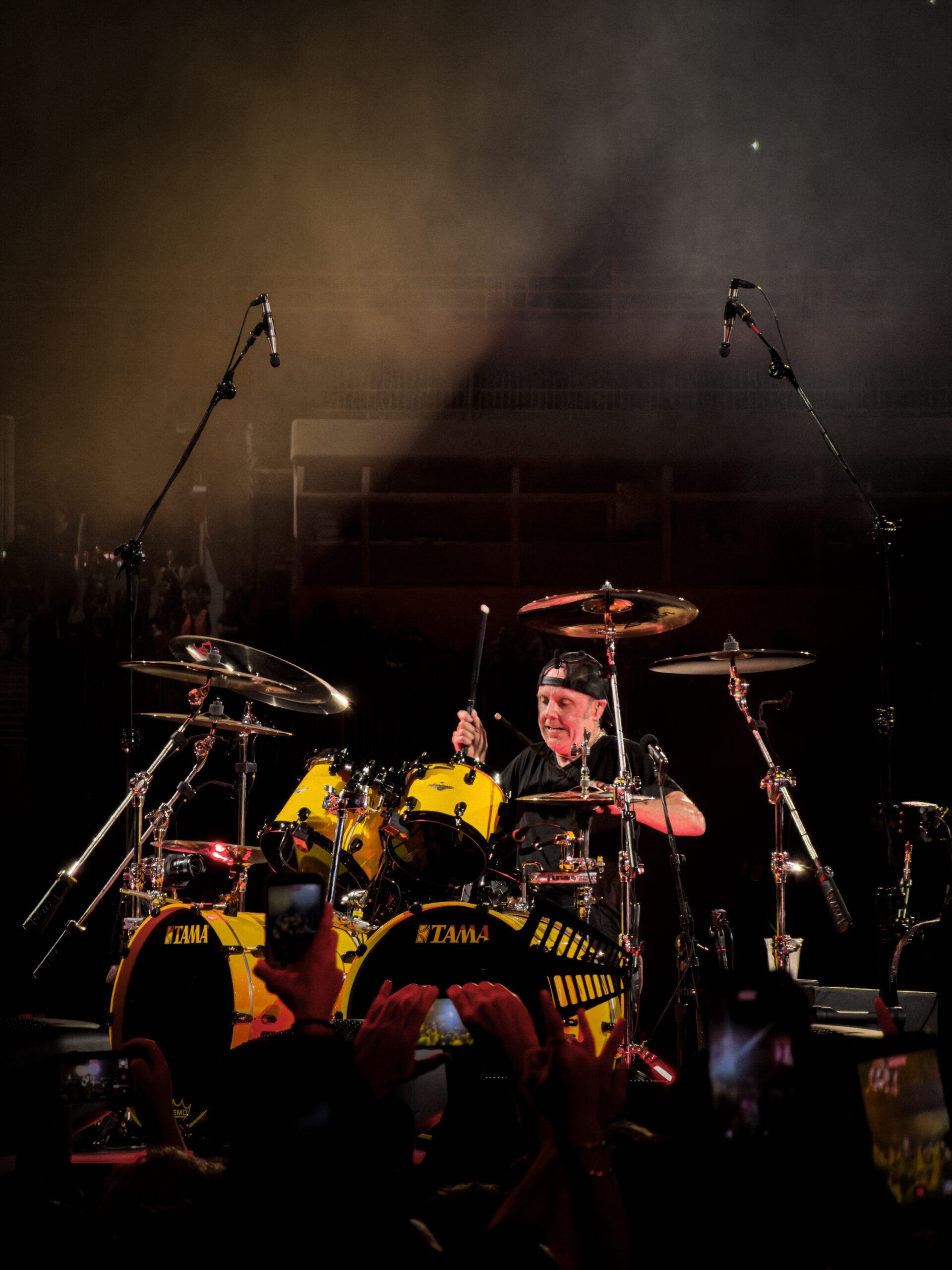
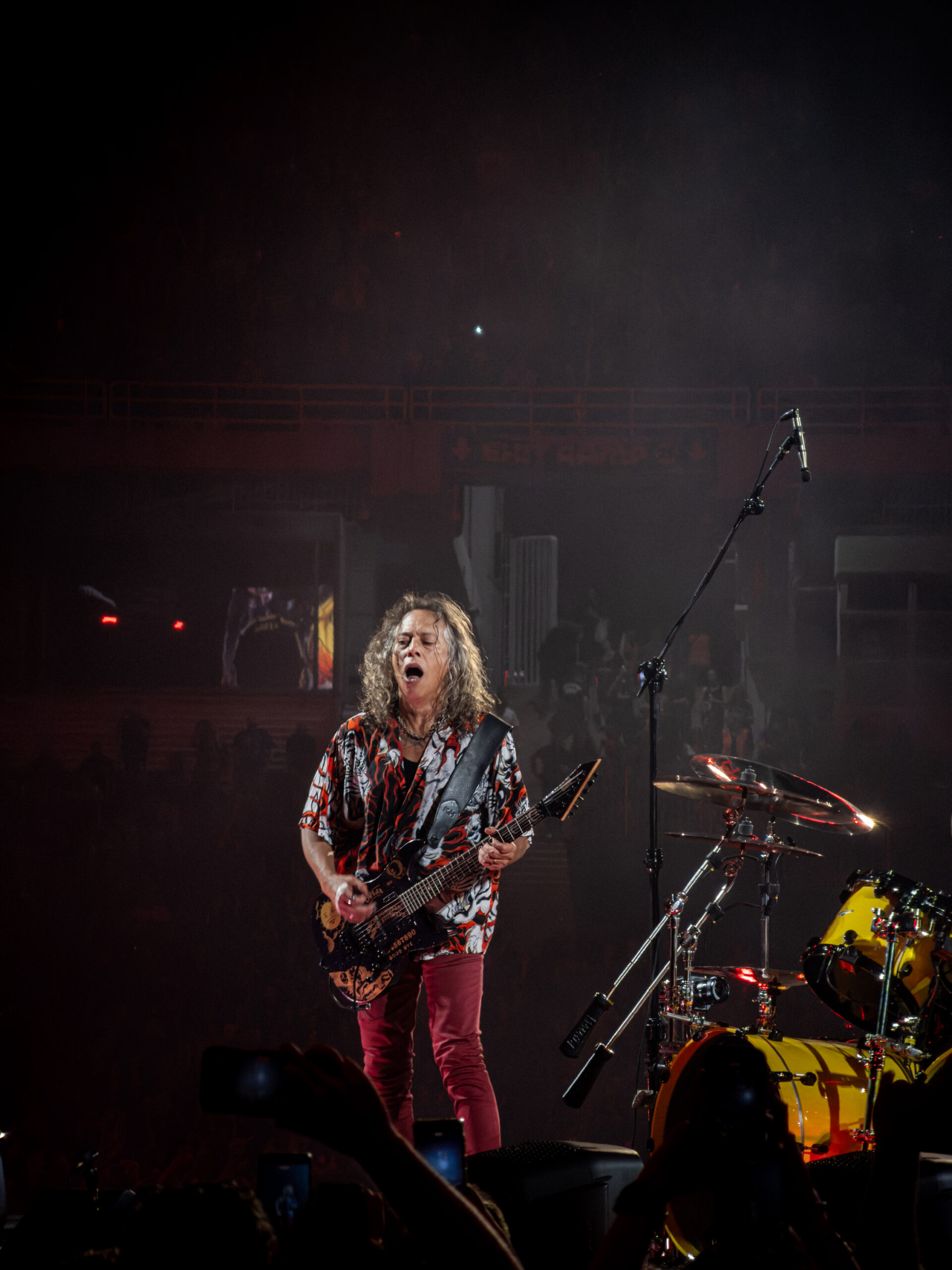
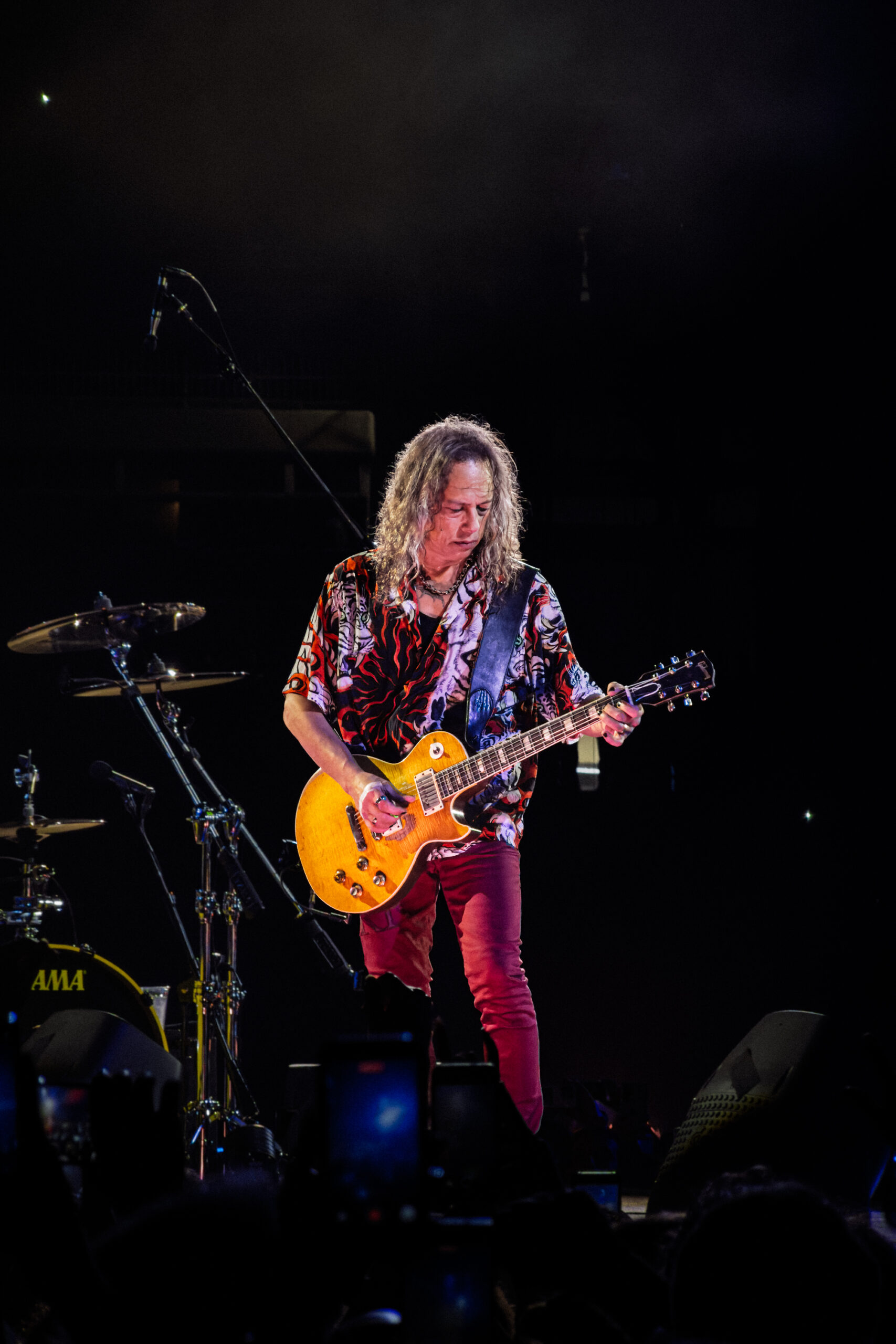
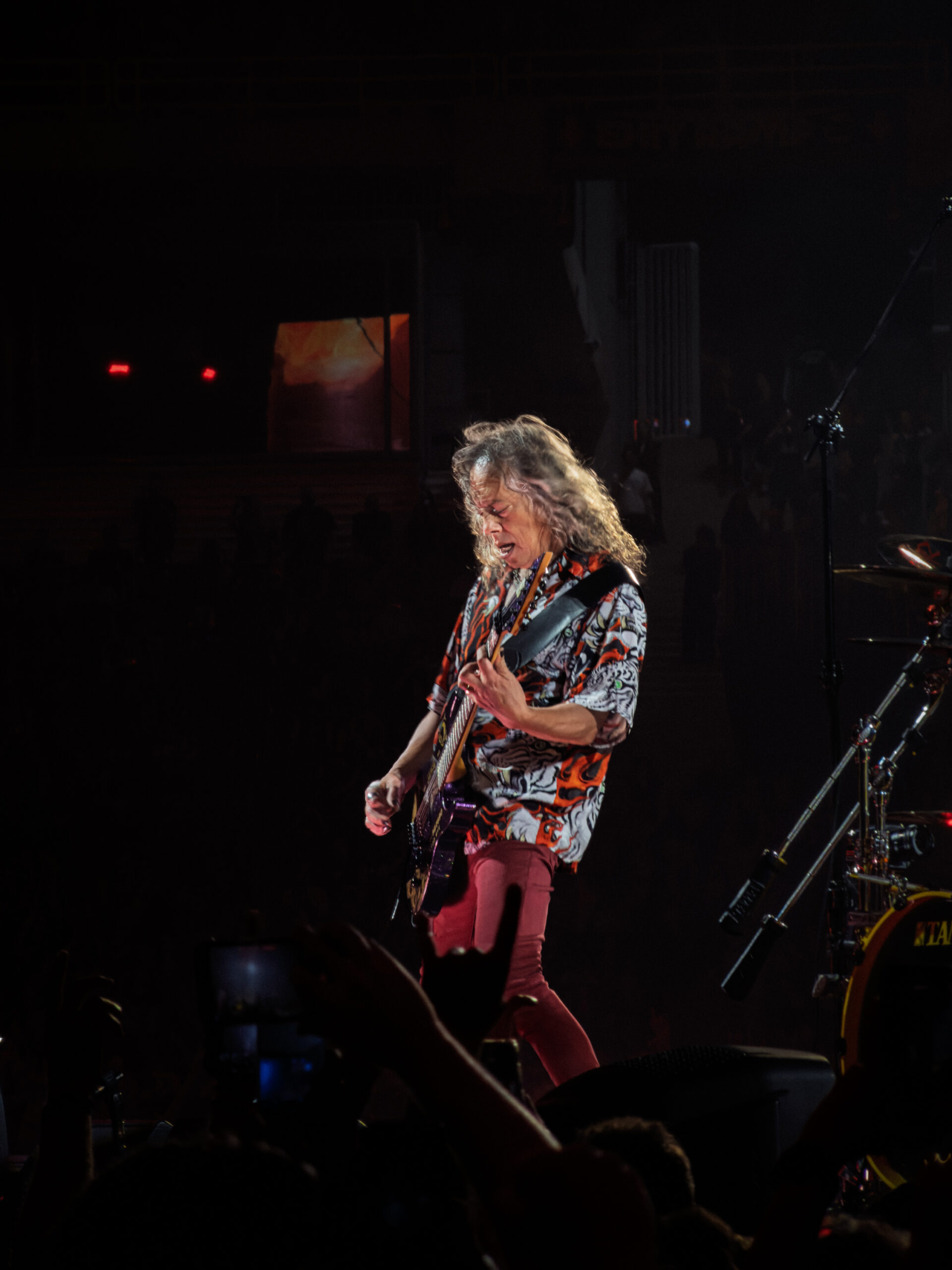
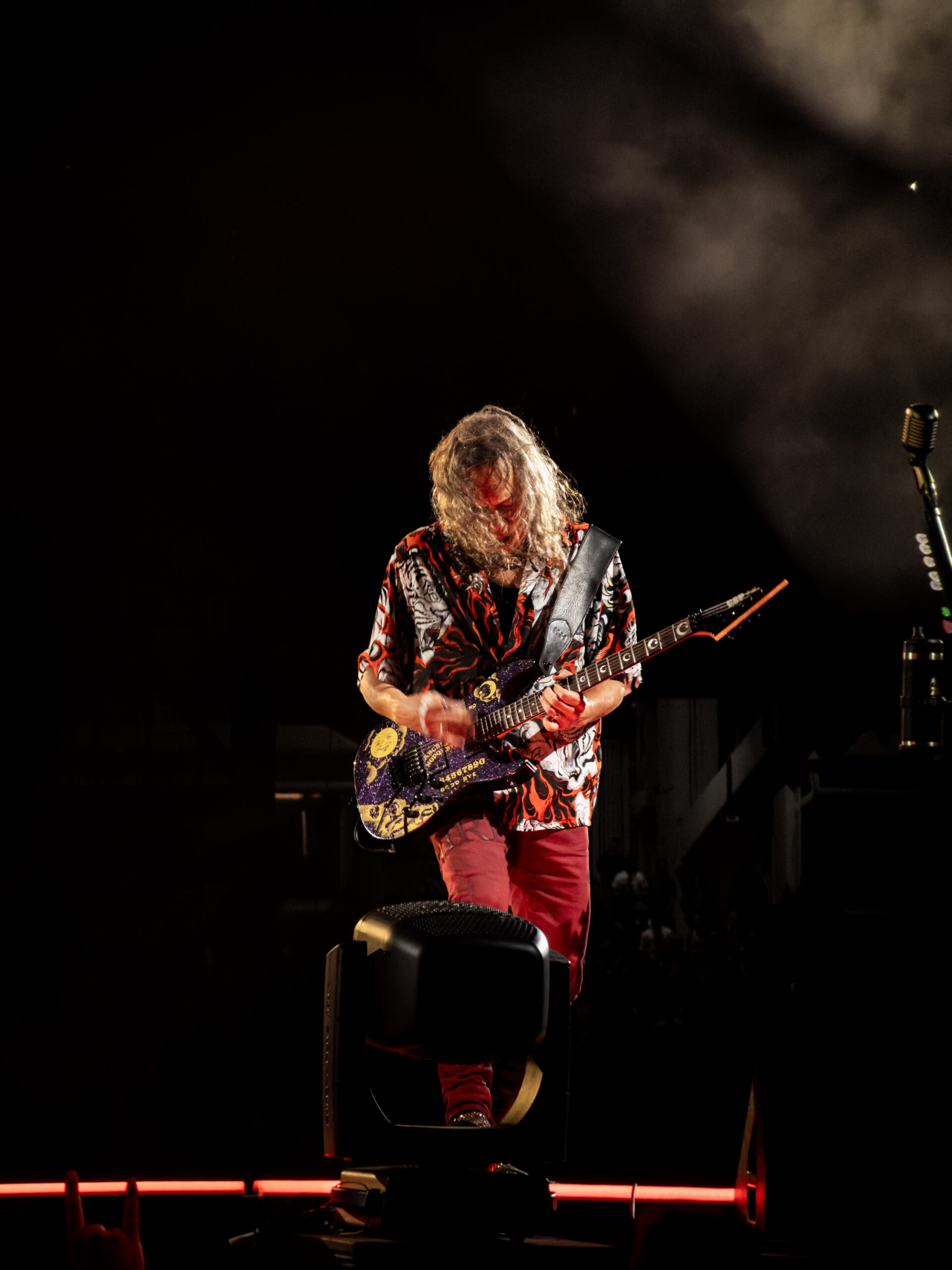
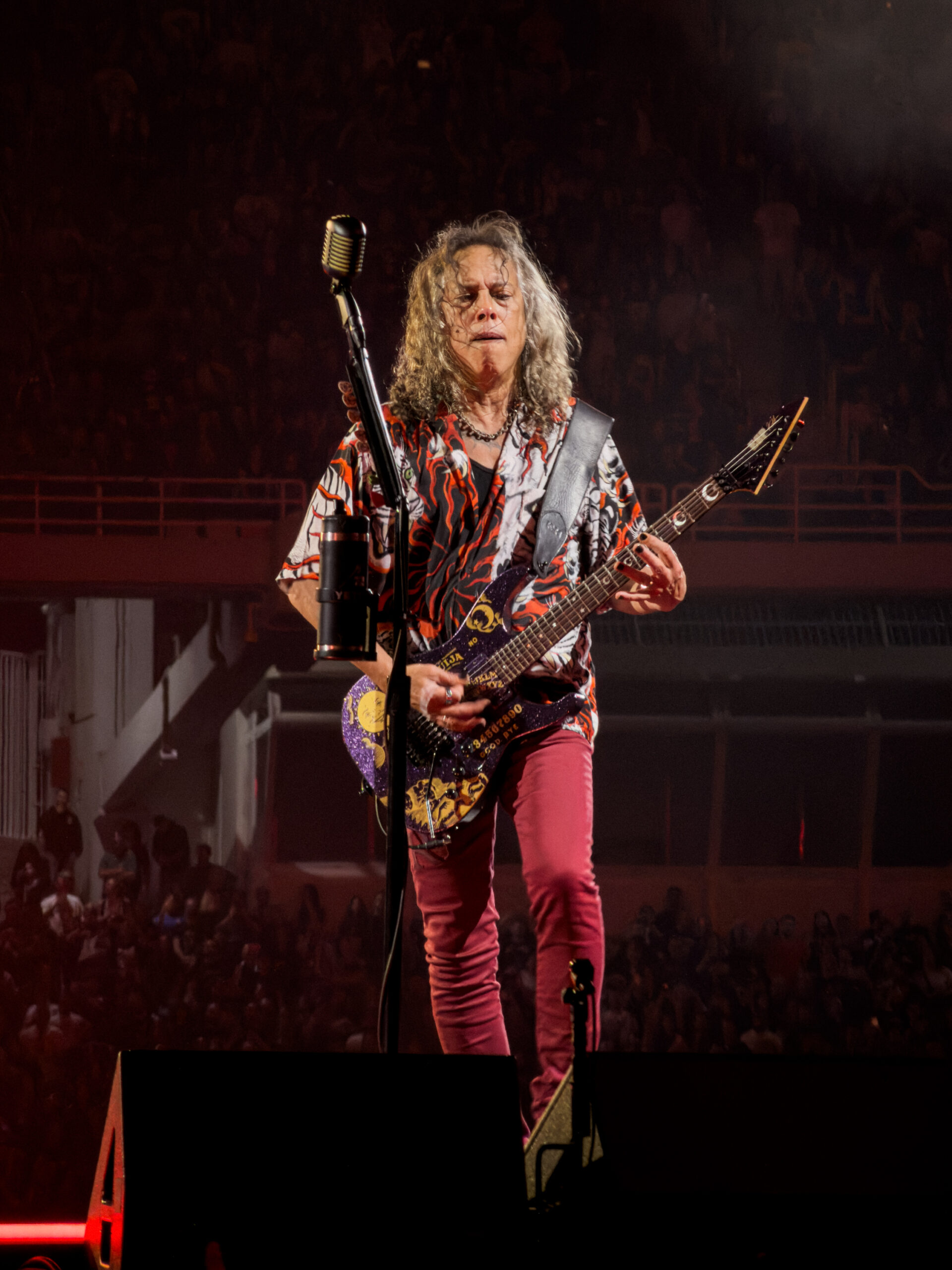
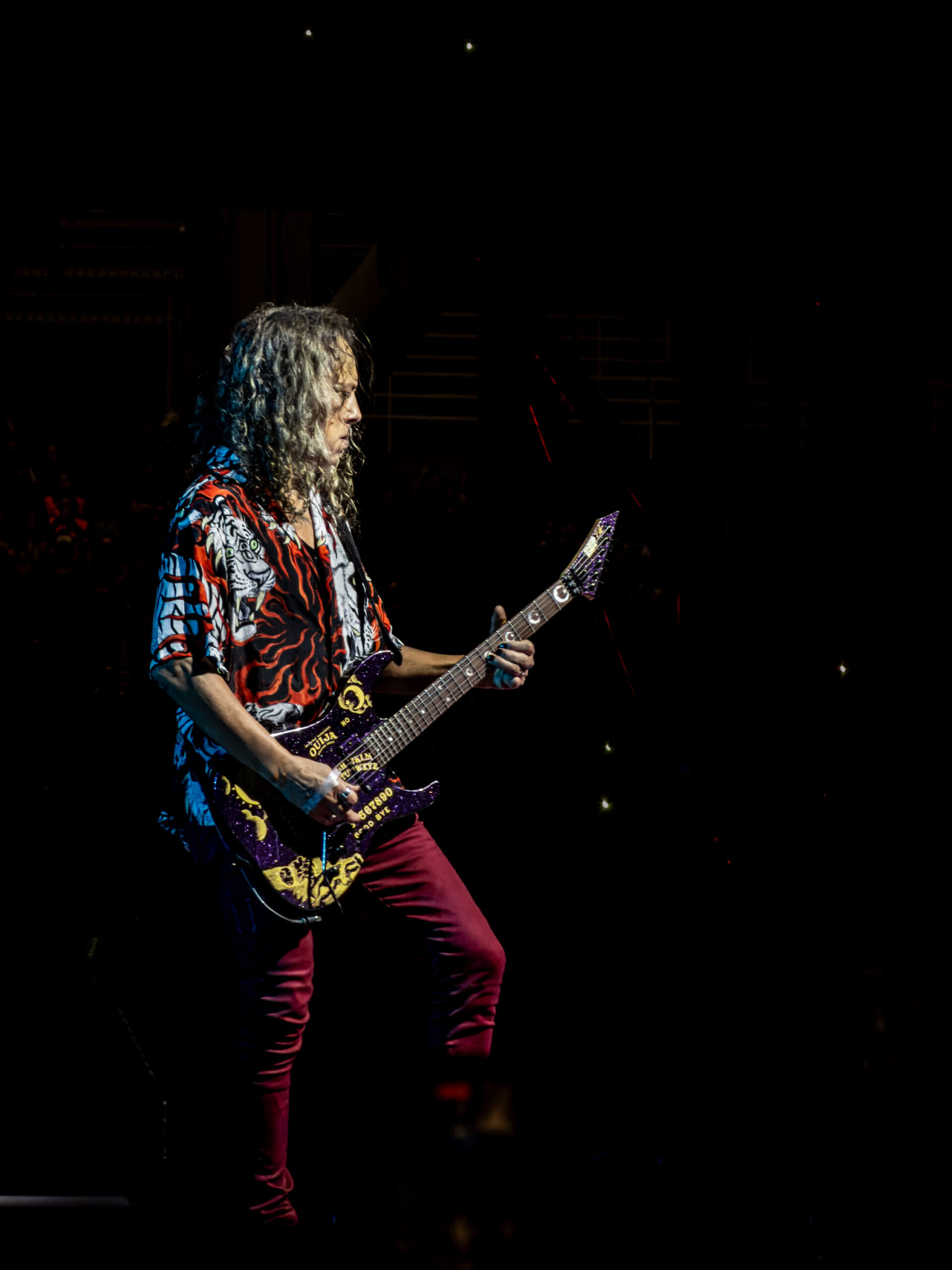
One of the most personal moments of the evening came before the “Kirk & Rob Doodle”. Kirk Hammett took some time to speak directly to the Athens audience about the connection he personally feels between Greece’s ancient musical heritage and his own experience every time he picks up a guitar.
Hammett explained that when he plays, he uses musical modes whose names and history make him think about ancient Greek culture, specifically mentioning Aeolian, Mixolydian and Phrygian. Rather than simply introducing the next part of the concert, he connected those musical concepts directly with what he does as a guitarist today.
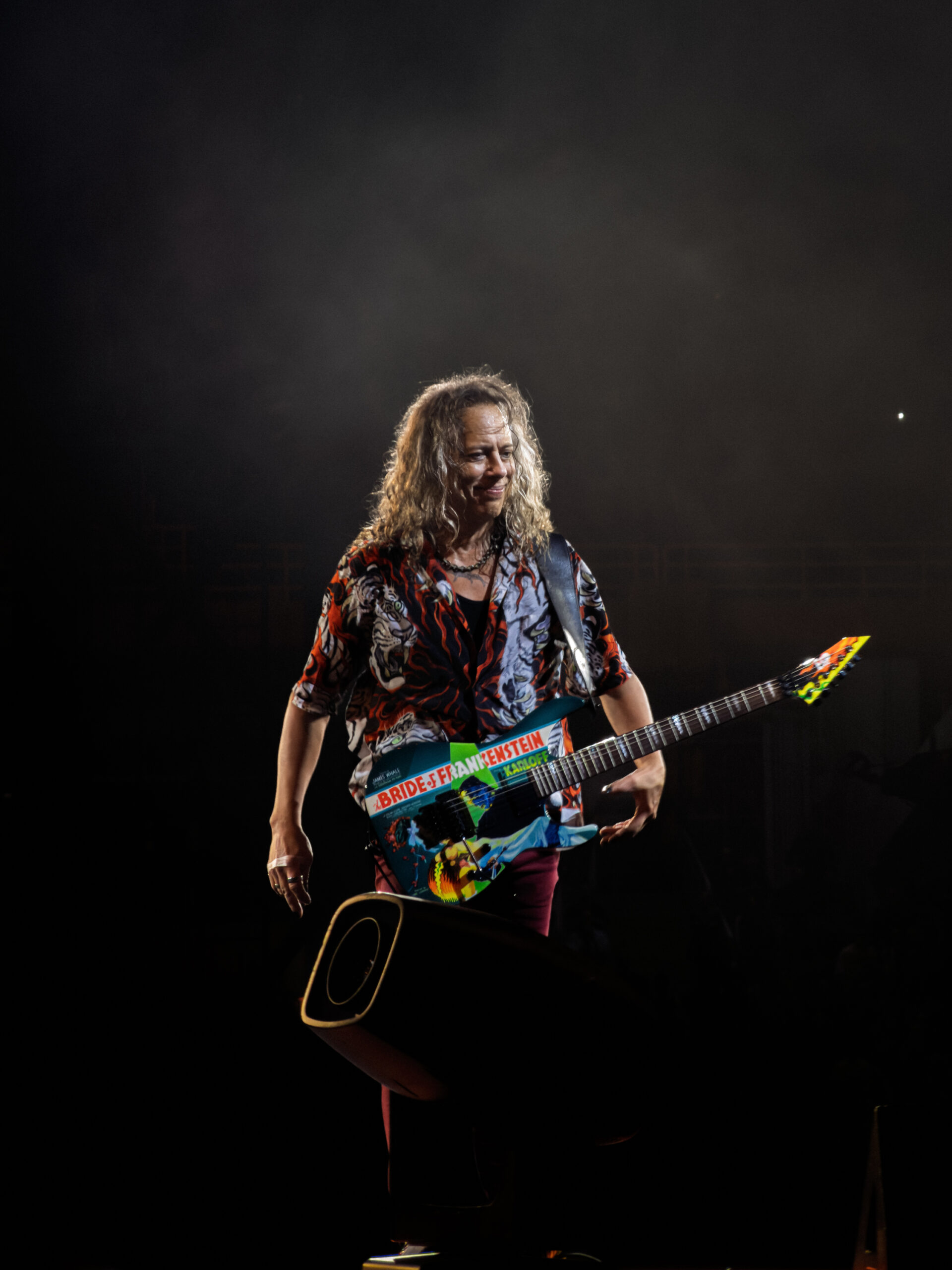
“I salute you for inventing the music that we’re playing right now. I love you Greece, I love you Athens,” Hammett told the crowd.
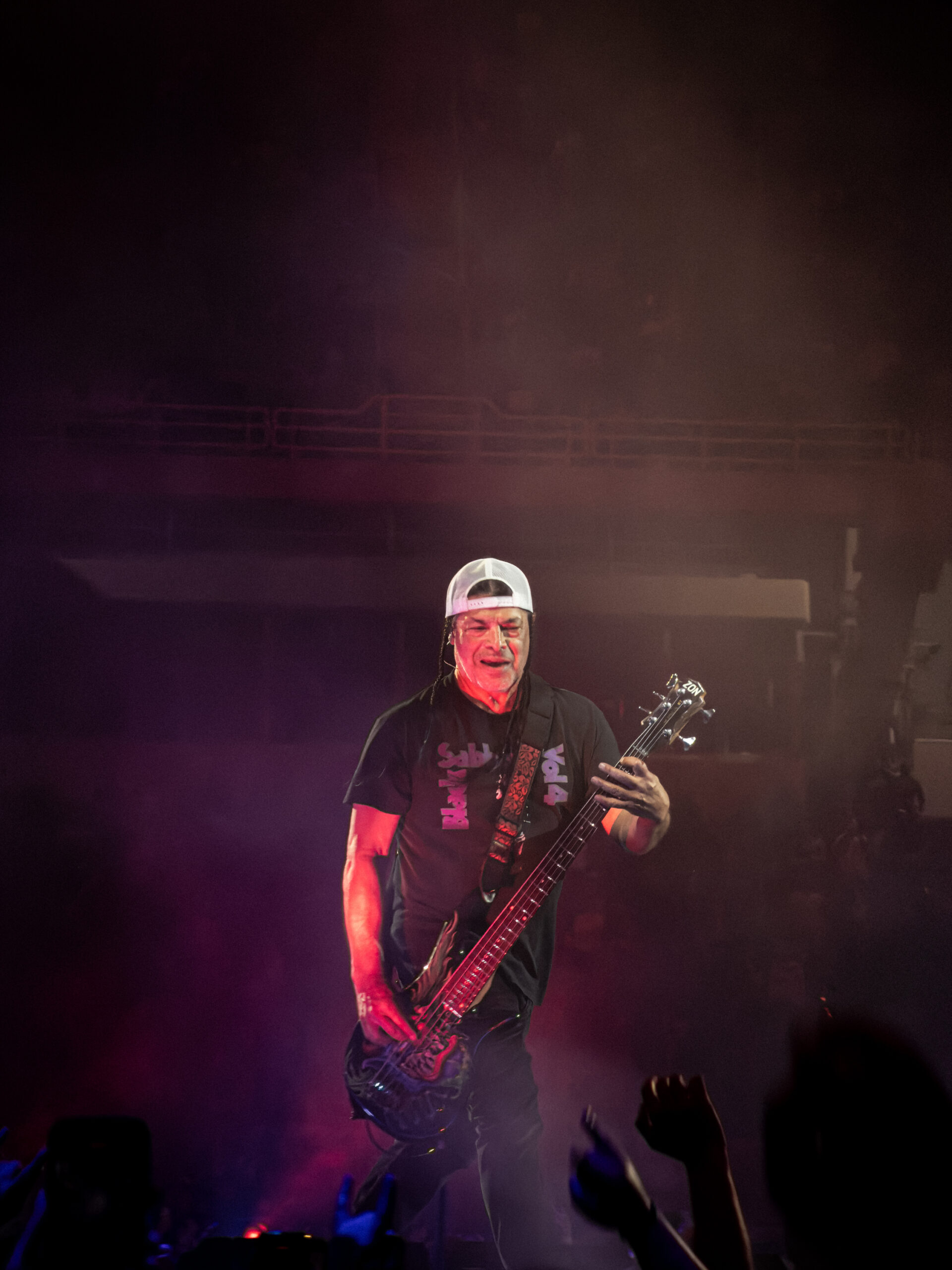
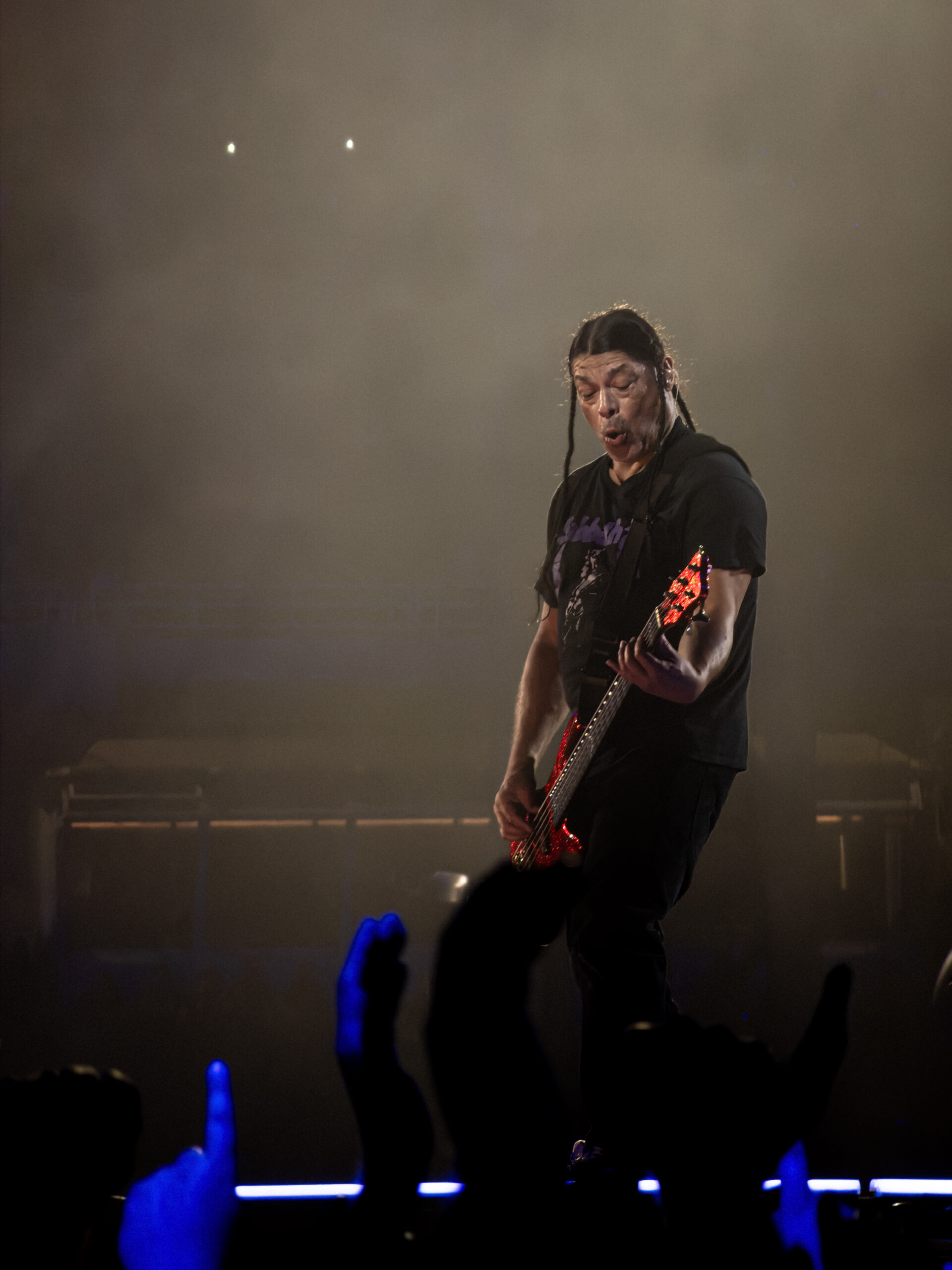
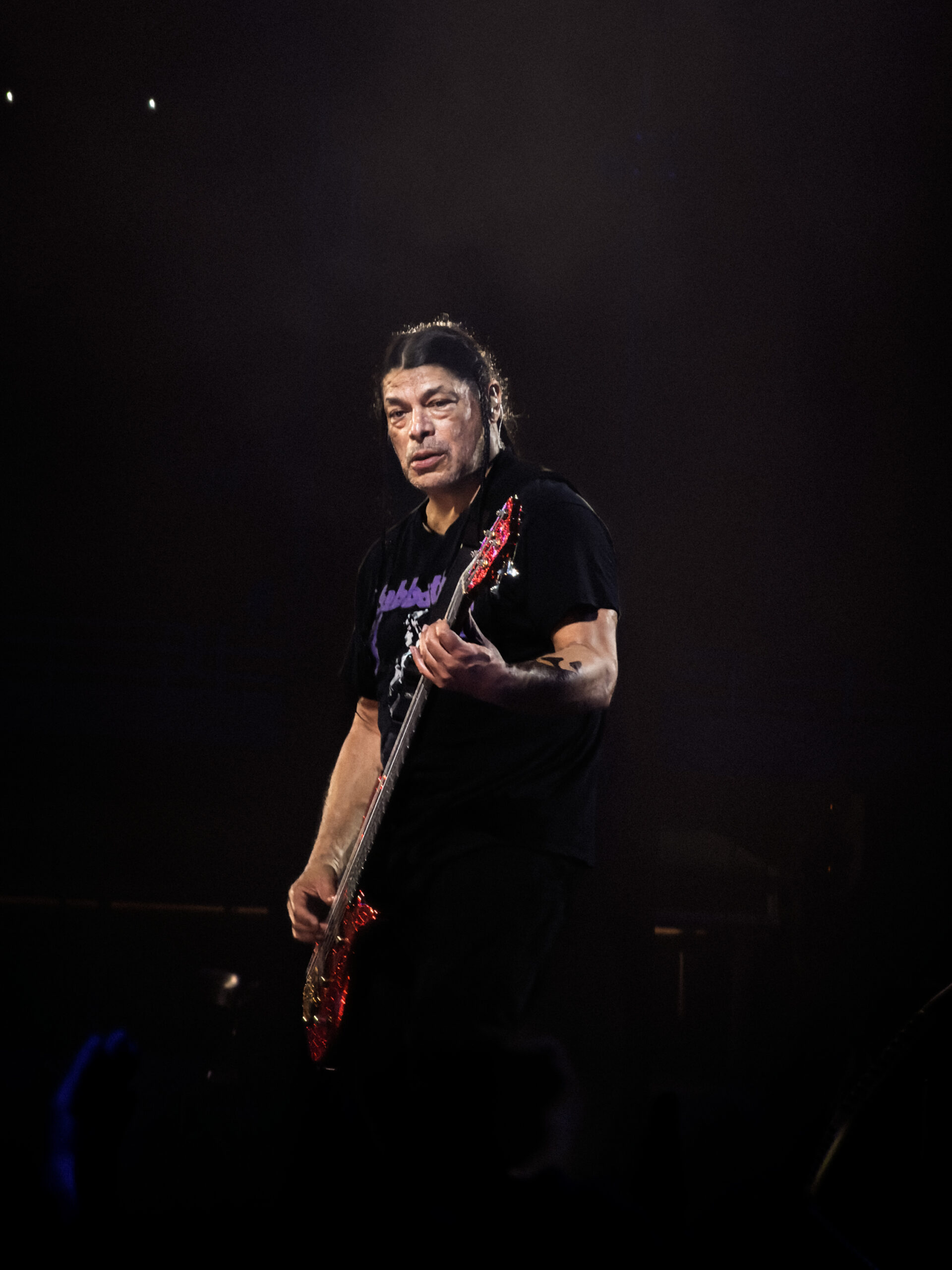
Kirk Hammett and Robert Trujillo then continued one of the recurring traditions of the M72 World Tour, adapting their “Kirk & Rob Doodle” to the country they were visiting. In Athens, they brought Greek music into the segment with “Zorba the Greek” and “Δεν Χωράς Πουθενά” (“Den Choras Pouthena”), before the full band returned to the set.
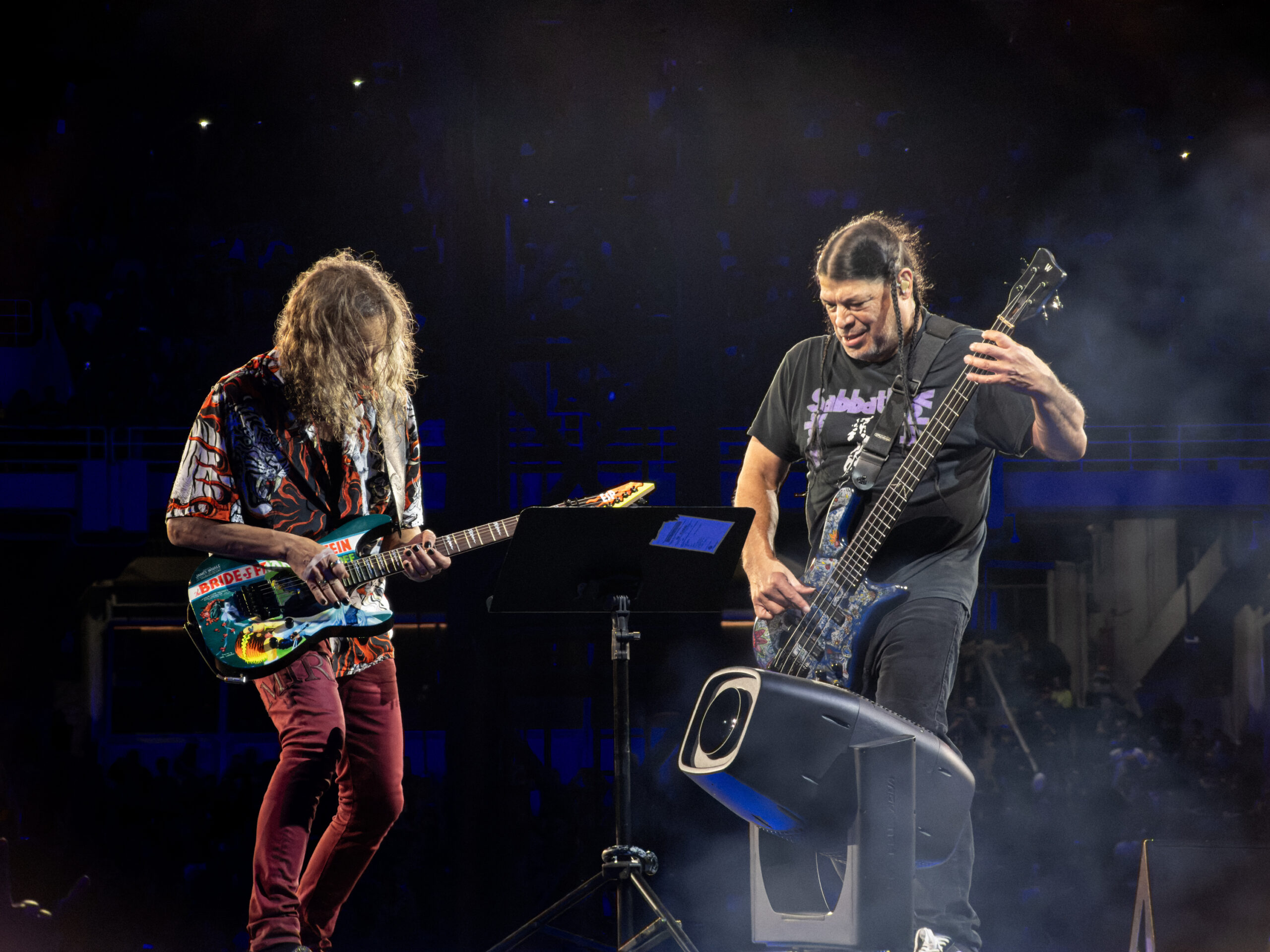
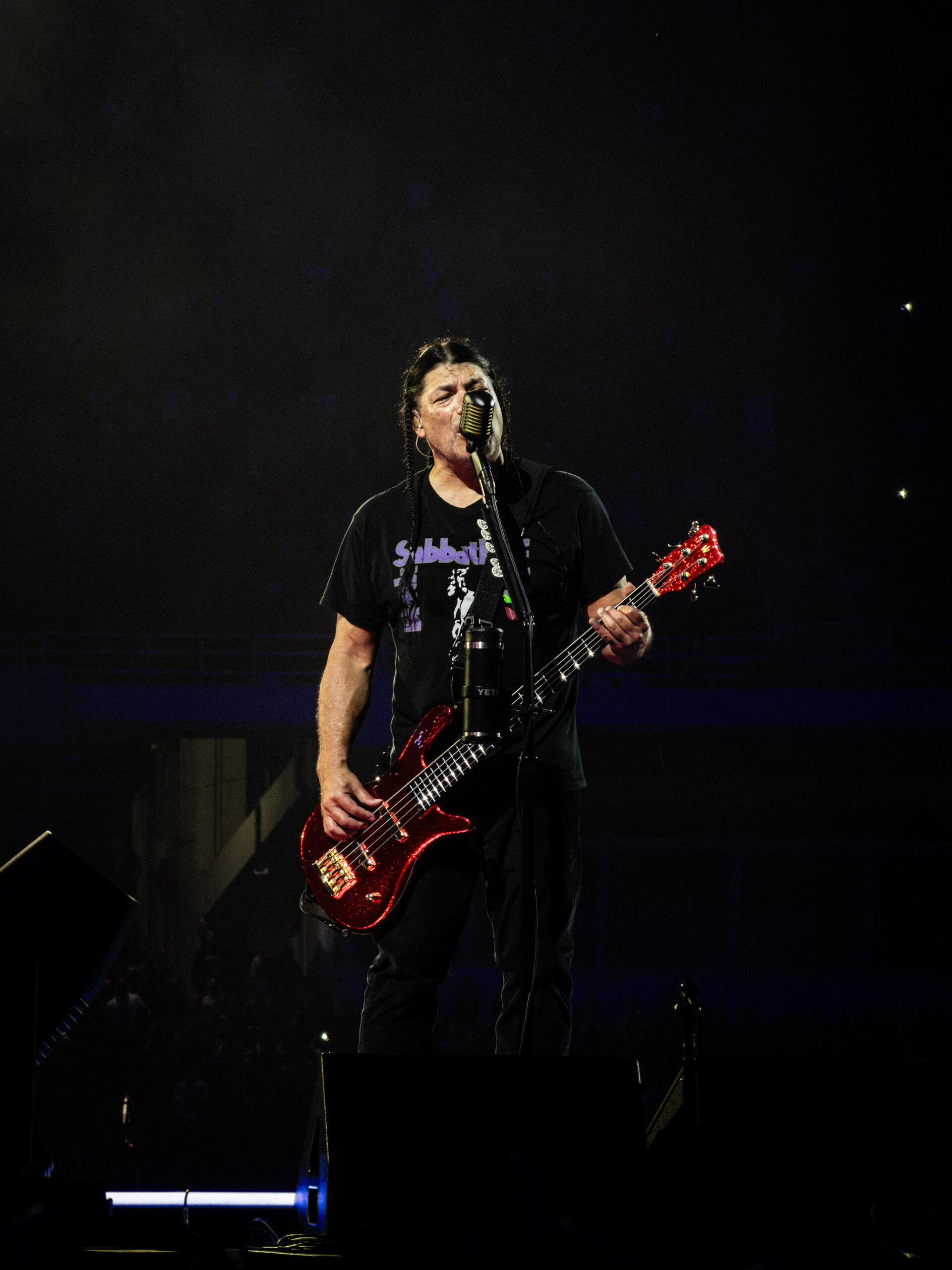
“Fade to Black” followed, before “Wherever I May Roam”, “Nothing Else Matters” and “Sad but True” brought three very different sides of Metallica’s catalogue together. Then came “One”, its instantly recognisable opening gradually building toward one of the heaviest moments of the night and setting up an extraordinary final stretch.
As the concert approached its closing songs, James Hetfield once again expressed the joy he still clearly finds in being on stage. “I have the best job in the world,” he repeated during the night, and said it again just before introducing one of the oldest songs in Metallica’s catalogue.
Hetfield called out “Seek!” and the response from OAKA was immediate: tens of thousands of voices shouted back, “And destroy!”
Then the riff began.
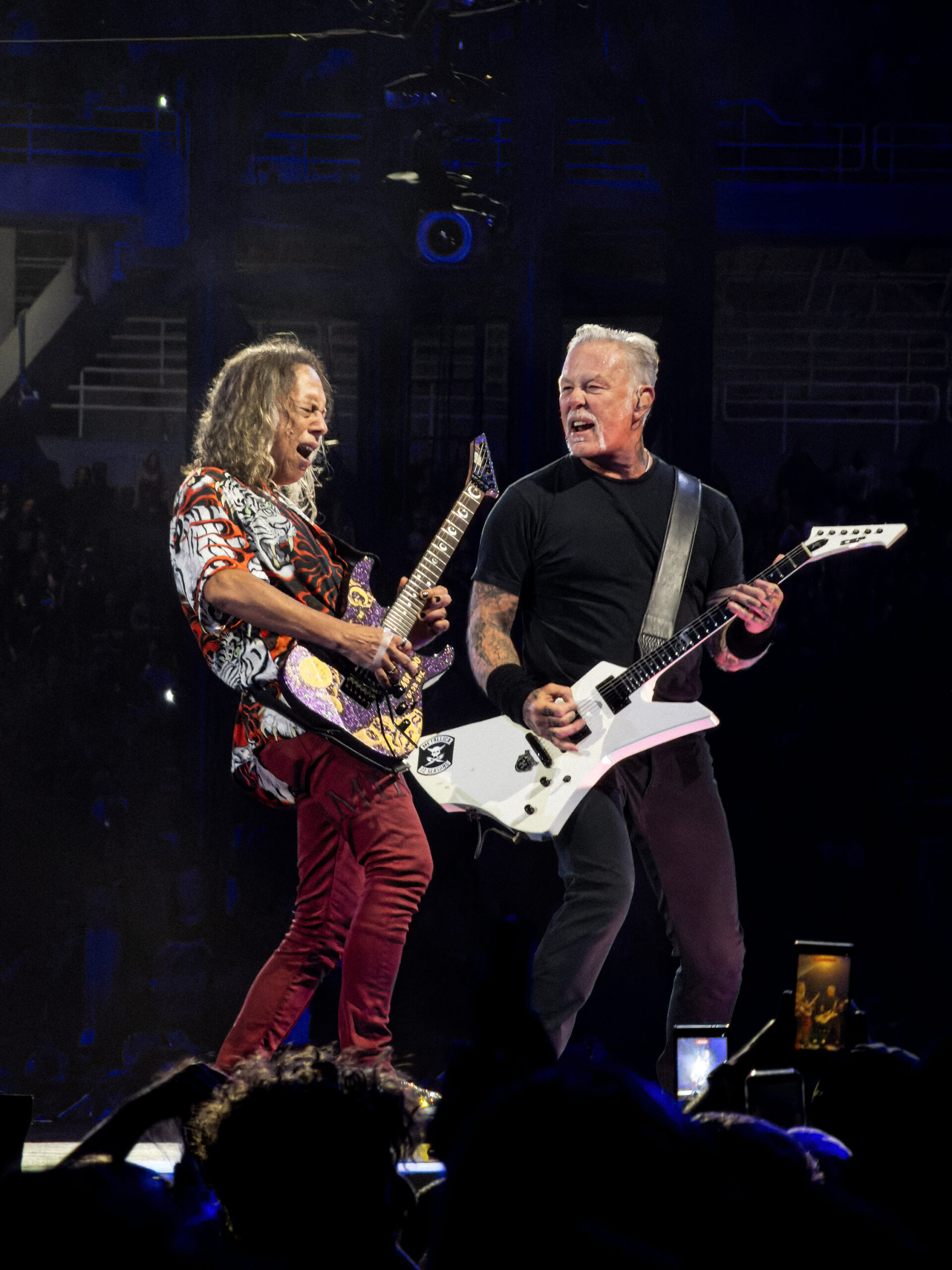
As “Seek & Destroy” kicked in, giant yellow-and-black beach balls carrying the M72 World Tour branding dropped into the audience and chaos broke loose across the floor. The reaction was remarkable for a song that dates all the way back to Kill ’Em All, Metallica’s first album from 1983. More than four decades later, one of the earliest songs in their catalogue could still ignite an entire stadium almost instantly, a reminder of just how deeply those first records remain embedded in the identity of the band and its audience.
There was barely time for the energy to settle before “Master of Puppets” followed.
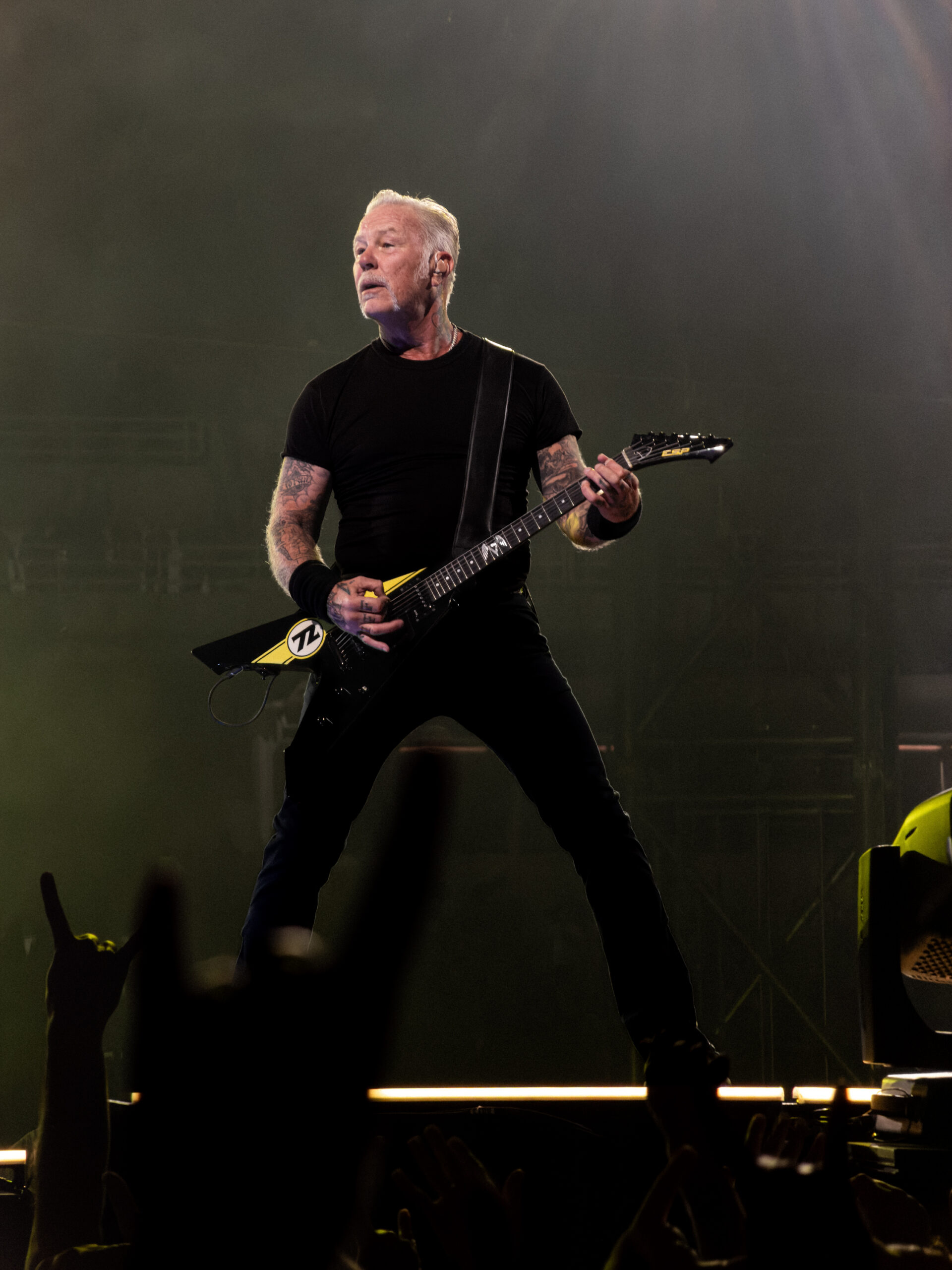
The opening riff triggered another enormous reaction across OAKA, but the response did not stop after the intro. Thousands of people continued singing throughout the song, turning one of Metallica’s defining compositions into a stadium-wide performance shared between the band and the audience.
By that point Metallica had moved to the opposite side of the circular stage, far from where this part of the crowd stood. Yet during “Master of Puppets”, that distance somehow seemed almost irrelevant. The band might have been across the circle, but the voices were everywhere. From the floor to the upper sections of the stadium, the audience seemed to become part of the song itself.
After the consecutive impact of “Seek & Destroy” and “Master of Puppets”, “Enter Sandman” provided the final chapter of the night. Another song instantly recognised within seconds of its opening notes, it brought the performance to a close with OAKA still fully engaged after a set that had stretched across more than forty years of Metallica’s history.
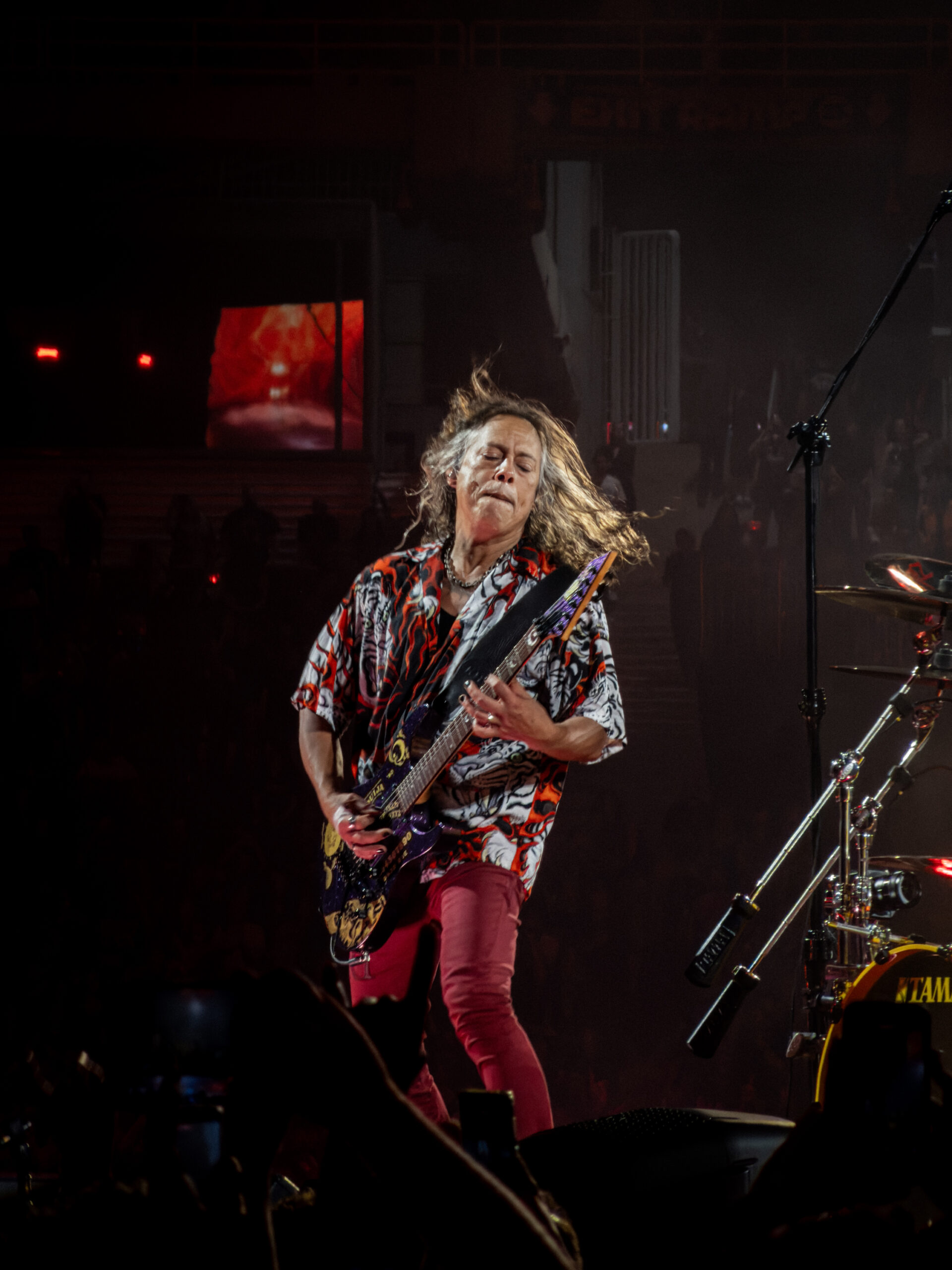
What remained after the final notes was more than the memory of an enormous stadium production. The Athens show demonstrated just how naturally songs separated by decades can coexist within a Metallica set. Material from the band’s earliest years could generate reactions every bit as powerful as the songs that later turned them into a global phenomenon, while newer tracks stood comfortably alongside both.
More than forty years into their career, Metallica continue to bring together generations of heavy metal fans on a scale very few bands can approach. At OAKA, the M72 World Tour turned that connection into something physical: tens of thousands of people surrounding the band from every direction, shouting the same words, singing the same songs and proving that some music only seems to grow stronger with time.
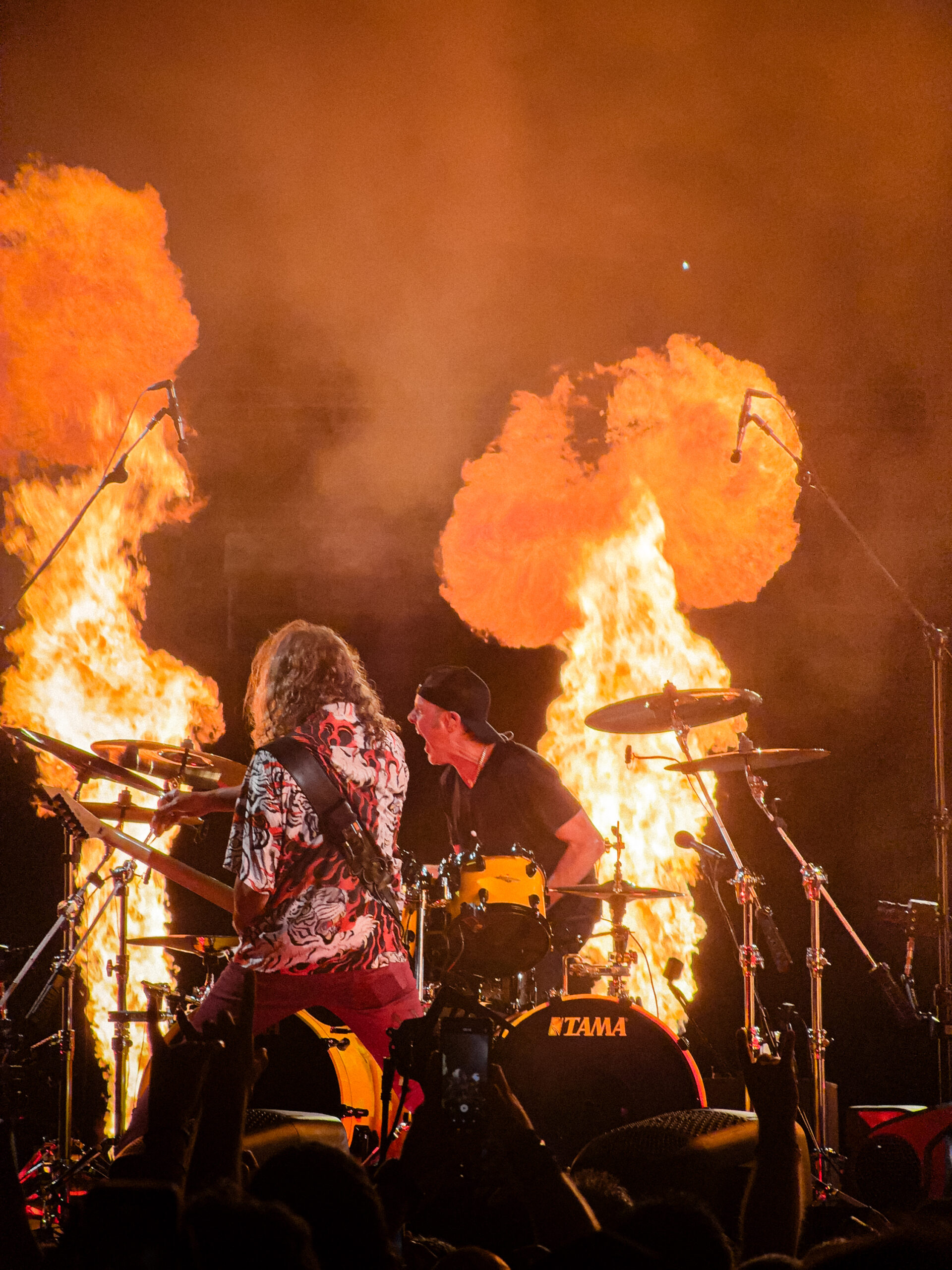
Setlist
Metallica delivered a career-spanning setlist in Athens, combining classic tracks, fan favourites and songs from different eras of their catalogue.
- Creeping Death
- For Whom the Bell Tolls
- Moth Into Flame
- King Nothing
- Lux Æterna
- The Unforgiven
- Fuel
- Kirk & Rob Doodle (Zorba the Greek / Δεν Χωράς Πουθενά / Den Choras Pouthena)
- Fade to Black
- Wherever I May Roam
- Nothing Else Matters
- Sad but True
- One
- Seek & Destroy
- Master of Puppets
- Enter Sandman
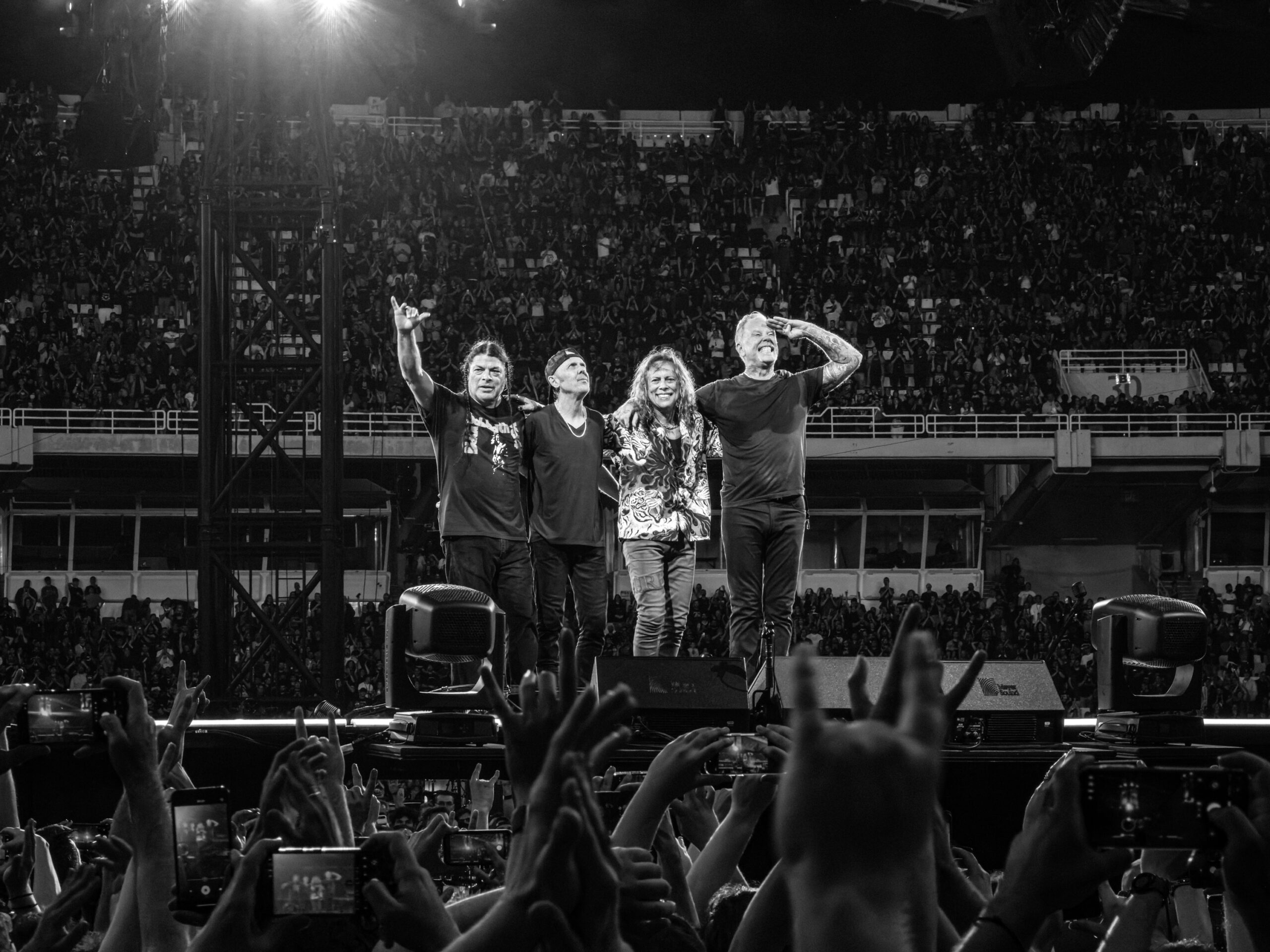
Band Lineup
James Hetfield – Vocals, rhythm guitar
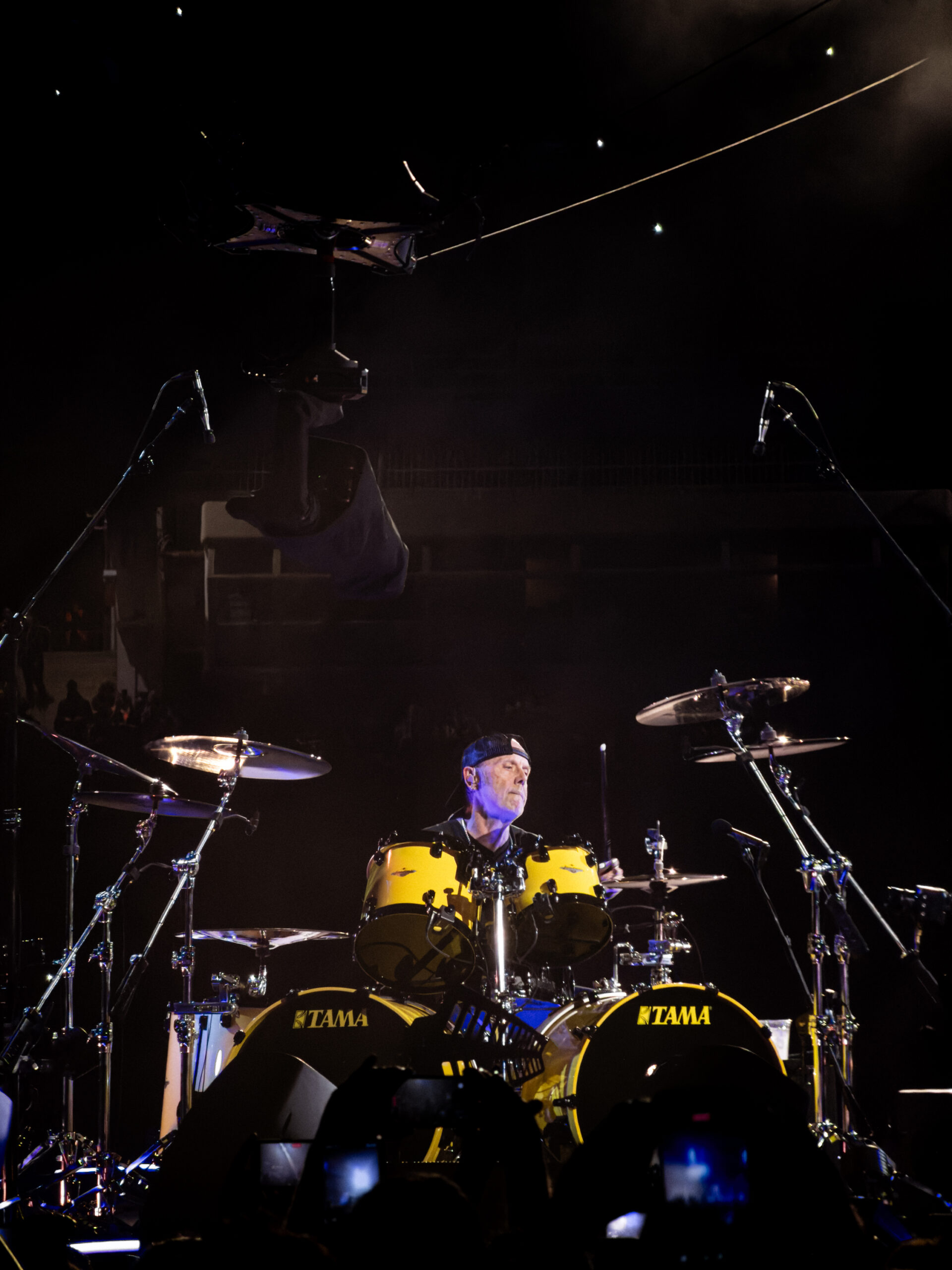
Lars Ulrich – Drums
Instagram: @larsulrich
Kirk Hammett – Lead guitar
Instagram: @kirkhammett
Robert Trujillo – Bass
Instagram: @robtrujillo